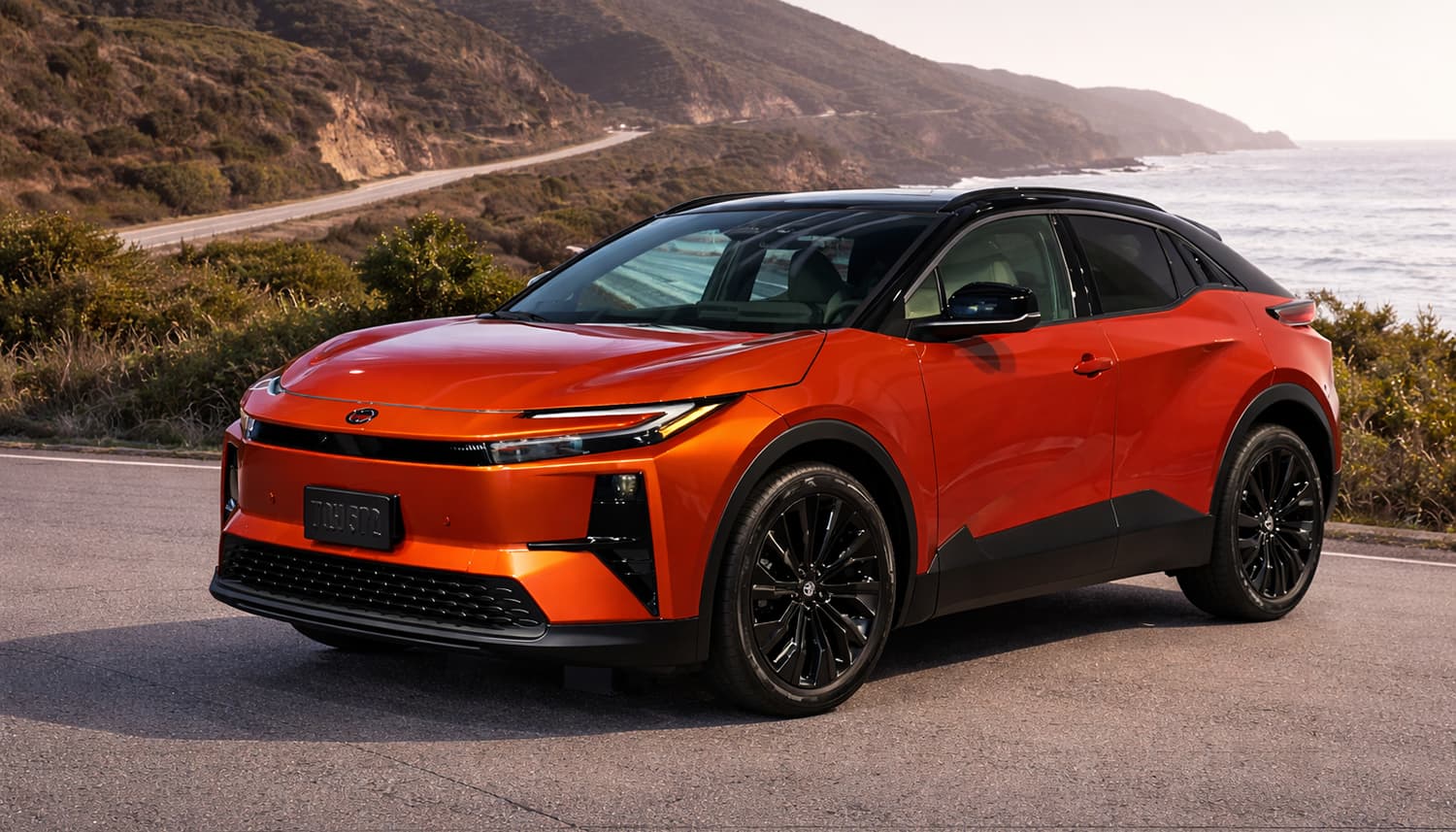
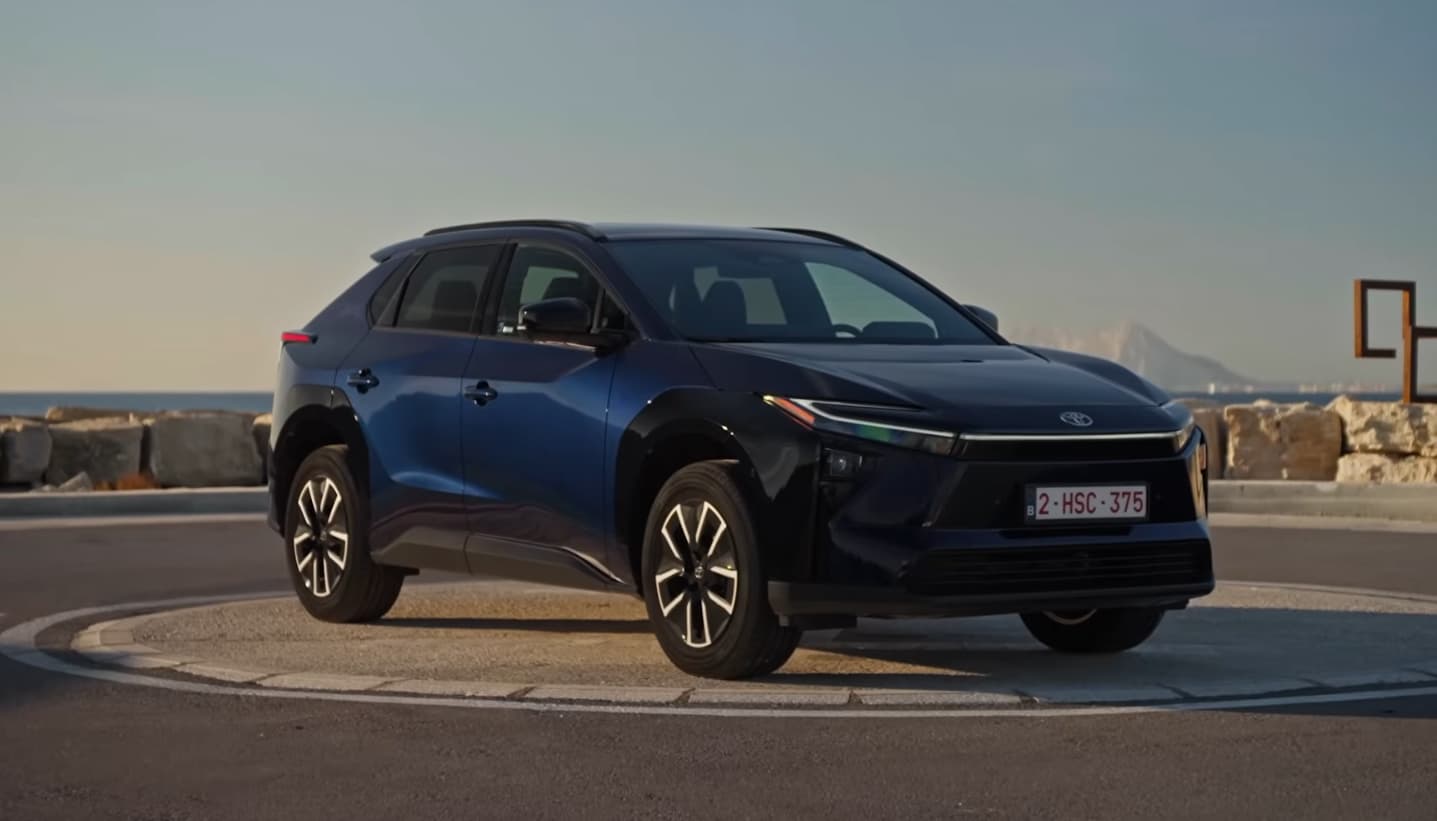
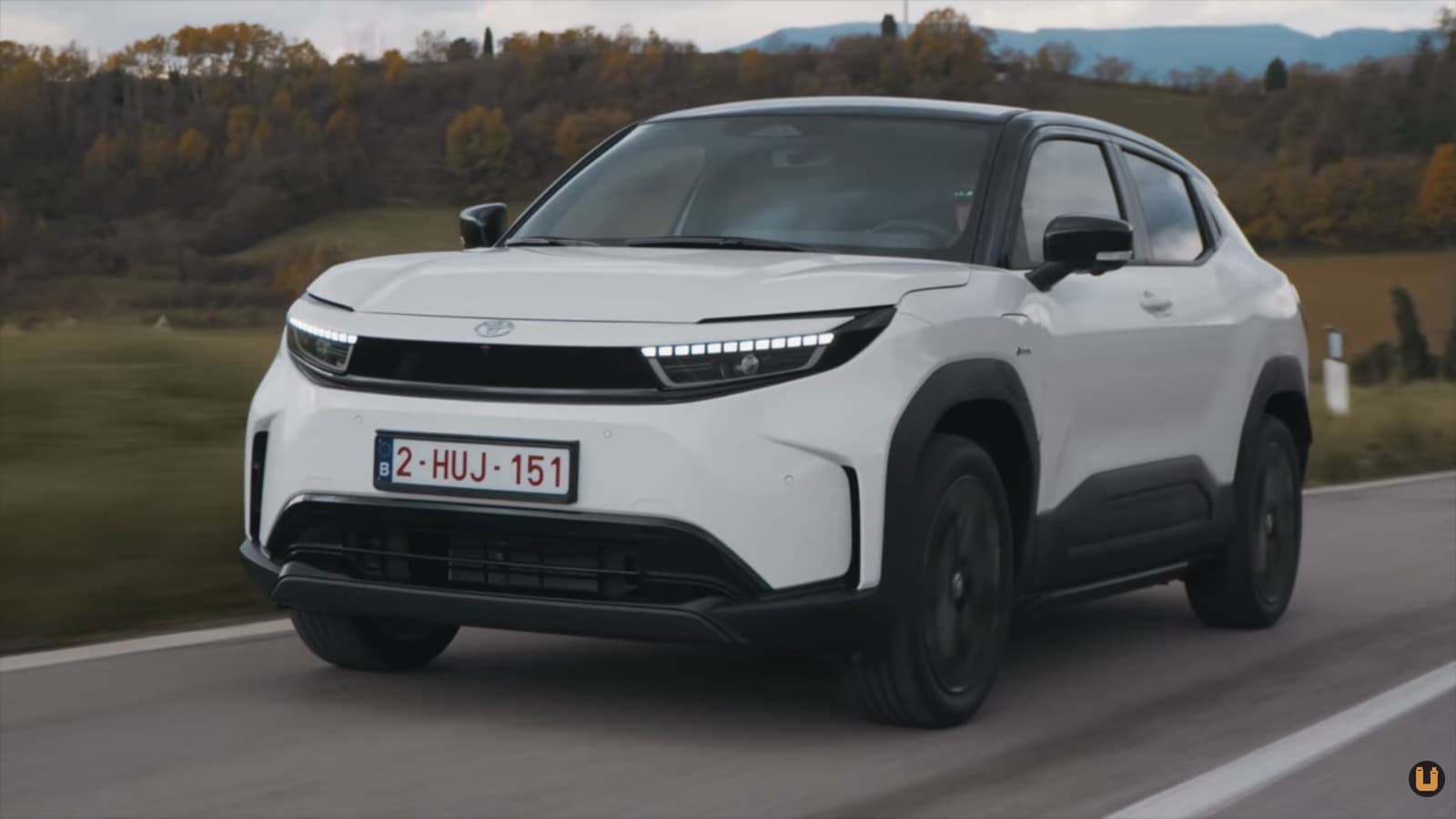
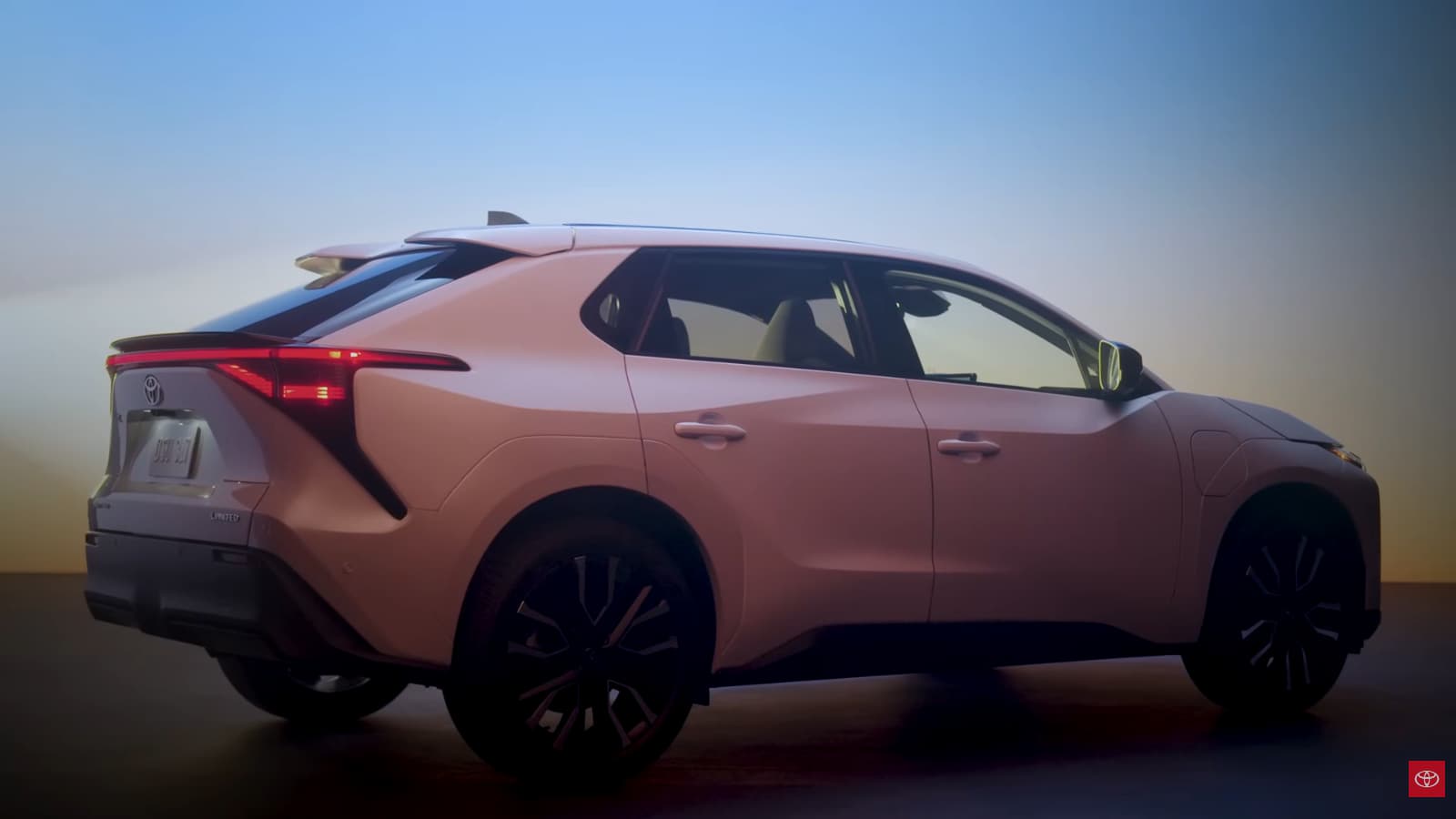

The Toyota bZ4X has been a familiar name in the electric SUV market, but its early versions left drivers wanting more. Limited winter range, inefficient air conditioning, and a somewhat unfinished driving experience made it hard to recommend. Now, Toyota claims the 2026 bZ4X has been thoroughly improved. So, has Toyota finally fixed it?
Improved Range and Efficiency
One of the biggest criticisms of the original bZ4X was its poor winter performance, with real-world range dropping to around 160 miles. The 2026 model addresses this with a new battery design, packing more cells into the same space. The front-wheel drive version now offers 354 miles of WLTP range, while the all-wheel drive variant delivers 316 miles and around 340 horsepower.
Efficiency has also improved significantly. Real-world testing shows the car achieving 3.9 miles per kilowatt hour, translating to late-200s range figures—far more competitive than before. Toyota’s new Exaxles, silicon carbide semiconductors, and improved battery cooling and heating systems all contribute to this leap forward.
Exterior and Interior Updates
Visually, the bZ4X has received subtle but effective updates. The front end now features Toyota’s hammerhead design with slimmer headlights, while aerodynamic tweaks reduce drag from 0.29 to 0.27 Cd. Gloss-finished wheel arches and redesigned spoilers add a touch of sophistication.
Inside, the changes are more noticeable. A 14-inch touchscreen, physical air conditioning controls, dual wireless charging, and a redesigned center console make the cabin more user-friendly. Fit and finish feel more premium, with improved materials and a panoramic roof available on higher trims. Rear passenger space is generous, though the boot remains slightly smaller than average at 452 liters.
Driving Experience
The 2026 bZ4X feels more mature and refined on the road. Steering is sharper and more tactile, while revised damping delivers a smoother, more composed ride. Acoustic glass reduces cabin noise, giving the SUV a more upscale feel.
Performance is adequate rather than thrilling. The front-wheel drive model produces 221 horsepower, achieving 0–62 mph in 7.4 seconds. The all-wheel drive version is quicker at 5.4 seconds and adds off-road capability, towing capacity of 1,500 kg, and specialized driving modes.
One drawback is the overly cautious traction control system, which flashes warnings even under moderate acceleration. Still, the overall driving dynamics are a clear improvement over the previous generation.
Charging and Practicality
Charging has been enhanced with up to 150 kW DC fast charging, allowing 10–80% in under 30 minutes on larger battery models. AC charging is standard at 11 kW, with 22 kW available on higher trims. Preconditioning ensures faster charging by preparing the battery before reaching a rapid charger.
Toyota has also introduced a bZ4X Touring model, offering more space, a larger 74.7 kWh battery, and increased boot capacity. This variant caters to families needing extra practicality without sacrificing range.
Value and Competition
Pricing starts at just under £40,000 for the smaller battery Icon model, with the long-range front-wheel drive version at £45,795. The top-spec all-wheel drive XL trim exceeds £51,000. While these prices are competitive, rivals such as the Skoda Enyaq, Kia EV6, Ford Explorer, and Tesla Model Y offer strong alternatives with faster charging, more range, or better efficiency.
Conclusion
The 2026 Toyota bZ4X is a major step forward. Toyota has listened to feedback and delivered meaningful improvements in range, efficiency, comfort, and driving refinement. It feels 50–60% better than the car it replaces, transforming from a flawed first attempt into a genuinely solid electric SUV.
While it may not have the sparkle or excitement of some competitors, the bZ4X now stands as a credible, well-rounded option in the EV market. Toyota has finally fixed it—though the competition means it still has to fight hard to win buyers’ hearts.