


The automotive industry is at a crossroads. As electric vehicles (EVs) dominate headlines and charging networks expand worldwide, Toyota, one of the world’s largest automakers, is taking a bold stand with hydrogen fuel cell technology. By 2025, Toyota aims to significantly expand its hydrogen fuel cell vehicle (FCV) lineup, spearheaded by the Toyota Mirai. This move highlights their commitment to a zero-emissions future, offering a compelling alternative to traditional EVs.
In this comprehensive blog post, we’ll explore why Toyota is investing heavily in hydrogen fuel cells, how the Toyota Mirai exemplifies this vision, and what it means for the future of clean transportation.
The Rise of Hydrogen Fuel Cells
What Are Hydrogen Fuel Cells?
Hydrogen fuel cells generate electricity through a chemical reaction between hydrogen and oxygen. Unlike internal combustion engines or batteries, fuel cells emit only water vapor, making them a zero-emissions power source.
Key advantages of hydrogen fuel cells:
- Fast Refueling: Refueling takes only 3–5 minutes, similar to gasoline vehicles, unlike EVs which may require hours to recharge.
- Long Range: Hydrogen-powered cars often have a range comparable to or greater than EVs, making them suitable for long-distance travel.
- Environmental Impact: When produced using renewable energy, hydrogen is one of the cleanest fuels available.
Toyota’s Commitment to Hydrogen Technology
Toyota has long been a pioneer in alternative fuel technologies. From the launch of the Prius in 1997 to the debut of the hydrogen-powered Toyota Mirai in 2014, the company has consistently pushed the boundaries of automotive innovation.
Why Toyota is focusing on hydrogen:
- Diverse Energy Ecosystem: Toyota believes hydrogen complements EVs in the transition to sustainable transportation. While EVs are ideal for short commutes, hydrogen is better suited for larger vehicles and long-distance travel.
- Energy Independence: Hydrogen can be produced locally using various renewable sources, reducing dependency on fossil fuels.
- Scalability: Hydrogen fuel cells have applications beyond passenger vehicles, including buses, trucks, trains, and even stationary energy systems.
Toyota Mirai: A Glimpse into the Future
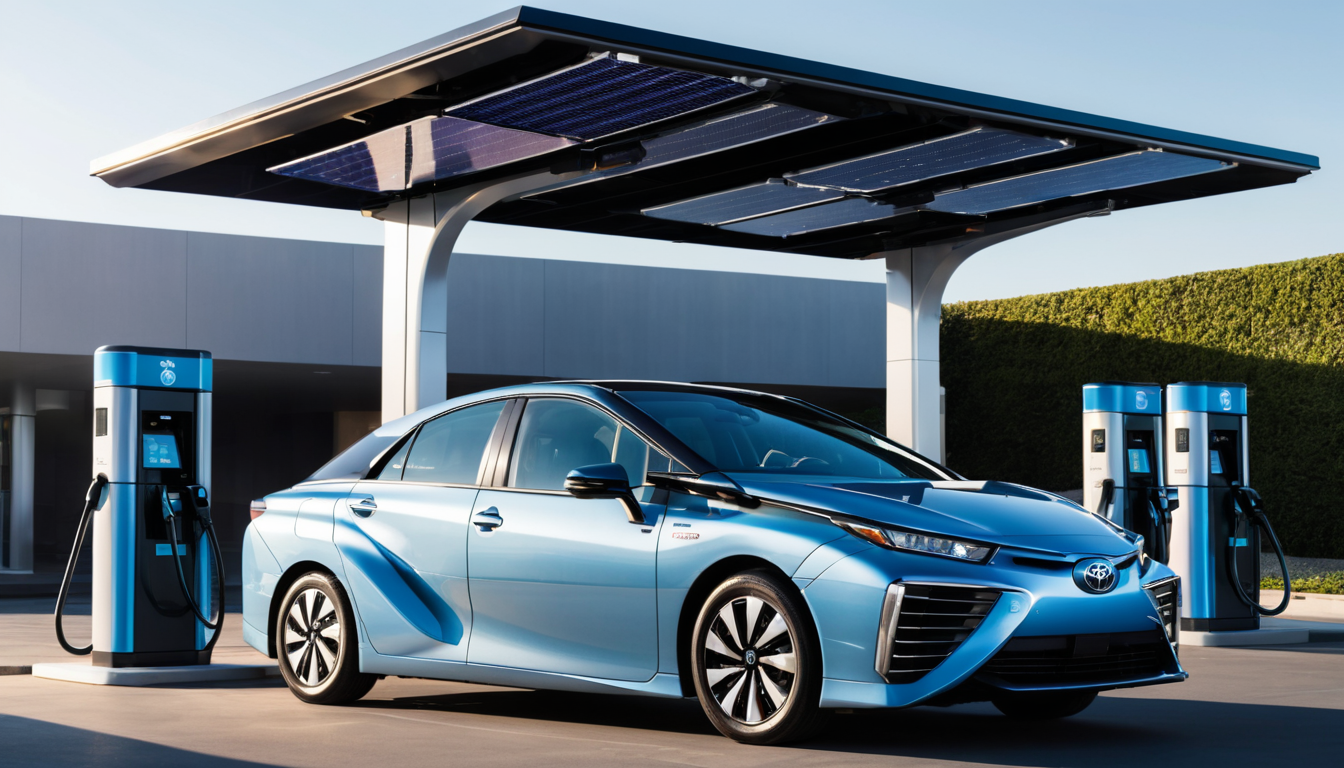
The Toyota Mirai, which means “future” in Japanese, is the flagship hydrogen fuel cell vehicle leading Toyota’s hydrogen revolution.
Toyota Mirai Specifications
- Range: Approximately 402 miles on a full tank.
- Refueling Time: 3–5 minutes.
- Emissions: Zero (only water vapor).
- Power Output: 182 horsepower.
- Design: Sleek, aerodynamic, and luxurious, the Mirai combines sustainability with style.
How the Mirai Stands Out
- Innovative Technology: The Mirai uses Toyota’s advanced hydrogen fuel cell stack, which is lighter and more efficient than previous generations.
- Practical Design: Its spacious interior and premium features make it a practical choice for eco-conscious drivers.
- Infrastructure Focus: Toyota has invested in expanding hydrogen refueling stations, ensuring Mirai owners can refuel conveniently.
Hydrogen vs. Electric Vehicles: Which Is Better?
While EVs dominate the clean transportation narrative, hydrogen fuel cells have distinct advantages that make them a vital part of the future energy mix.
| Feature | Hydrogen Fuel Cells | Electric Vehicles (EVs) |
|---|---|---|
| Refueling Time | 3–5 minutes | 30 minutes to several hours |
| Range | 300–400+ miles | 200–350+ miles |
| Energy Density | Higher | Lower |
| Infrastructure | Limited but expanding | More established globally |
| Applications | Heavy-duty vehicles, long distances | Short commutes, urban areas |
Challenges Facing Hydrogen Adoption
Despite its potential, hydrogen fuel cells face significant challenges:
- Limited Infrastructure: Hydrogen refueling stations are scarce, with most concentrated in regions like California, Japan, and parts of Europe.
- High Production Costs: Hydrogen production is energy-intensive, and green hydrogen (produced using renewable energy) remains expensive.
- Consumer Awareness: Many drivers are unfamiliar with hydrogen fuel cell technology, slowing adoption rates.
How Toyota Is Addressing These Challenges
- Infrastructure Investment: Toyota is collaborating with governments and private companies to build hydrogen refueling stations globally.
- Cost Reduction: By scaling production and advancing technology, Toyota aims to make hydrogen fuel cells more affordable.
- Education and Marketing: Through campaigns and partnerships, Toyota is raising awareness about the benefits of hydrogen-powered vehicles.
Hydrogen Beyond Cars
Toyota’s vision extends far beyond passenger vehicles. The company is actively exploring hydrogen applications in:
- Trucks and Buses: Hydrogen fuel cells are ideal for heavy-duty vehicles, offering long ranges and quick refueling.
- Maritime and Aviation: Toyota is developing hydrogen solutions for ships and planes, reducing emissions in these high-impact sectors.
- Stationary Power: Fuel cells can provide clean, reliable energy for homes and businesses.
Toyota’s Hydrogen Roadmap for 2025 and Beyond
By 2025, Toyota aims to:
- Expand its FCV lineup to include SUVs, trucks, and buses.
- Double production capacity for hydrogen fuel cell systems.
- Support the establishment of over 1,000 hydrogen refueling stations globally.
- Launch hydrogen-powered commercial fleets in key markets like Japan, Europe, and North America.
The Global Push for Hydrogen
Governments and industries worldwide are recognizing hydrogen’s potential as a clean energy source.
Key Developments
- Japan: Leading the charge with a national hydrogen strategy and widespread support for FCVs.
- Europe: Investing billions in hydrogen infrastructure and green hydrogen production.
- United States: California spearheads hydrogen adoption with incentives and infrastructure development.
Collaborations and Partnerships
Toyota is partnering with companies like Shell, Air Liquide, and Hyundai to accelerate hydrogen adoption. These collaborations focus on infrastructure, technology development, and public awareness.
Conclusion: A Bold Bet on a Greener Future
Toyota’s commitment to hydrogen fuel cells demonstrates a forward-thinking approach to sustainable transportation. While EVs dominate the market today, hydrogen FCVs like the Toyota Mirai offer a complementary solution that addresses the limitations of batteries.
By investing in hydrogen technology and infrastructure, Toyota is positioning itself as a leader in the next phase of clean mobility. As we approach 2025, it’s clear that hydrogen will play a pivotal role in achieving a zero-emissions future.
Learn More
For additional insights into Toyota’s hydrogen initiatives and the future of clean transportation, check out these resources:


1 Comment
Wow that was odd. I just wrote an really long comment but after I clicked submit my comment didn’t show up. Grrrr… well I’m not writing all that over again. Anyway, just wanted to say fantastic blog!