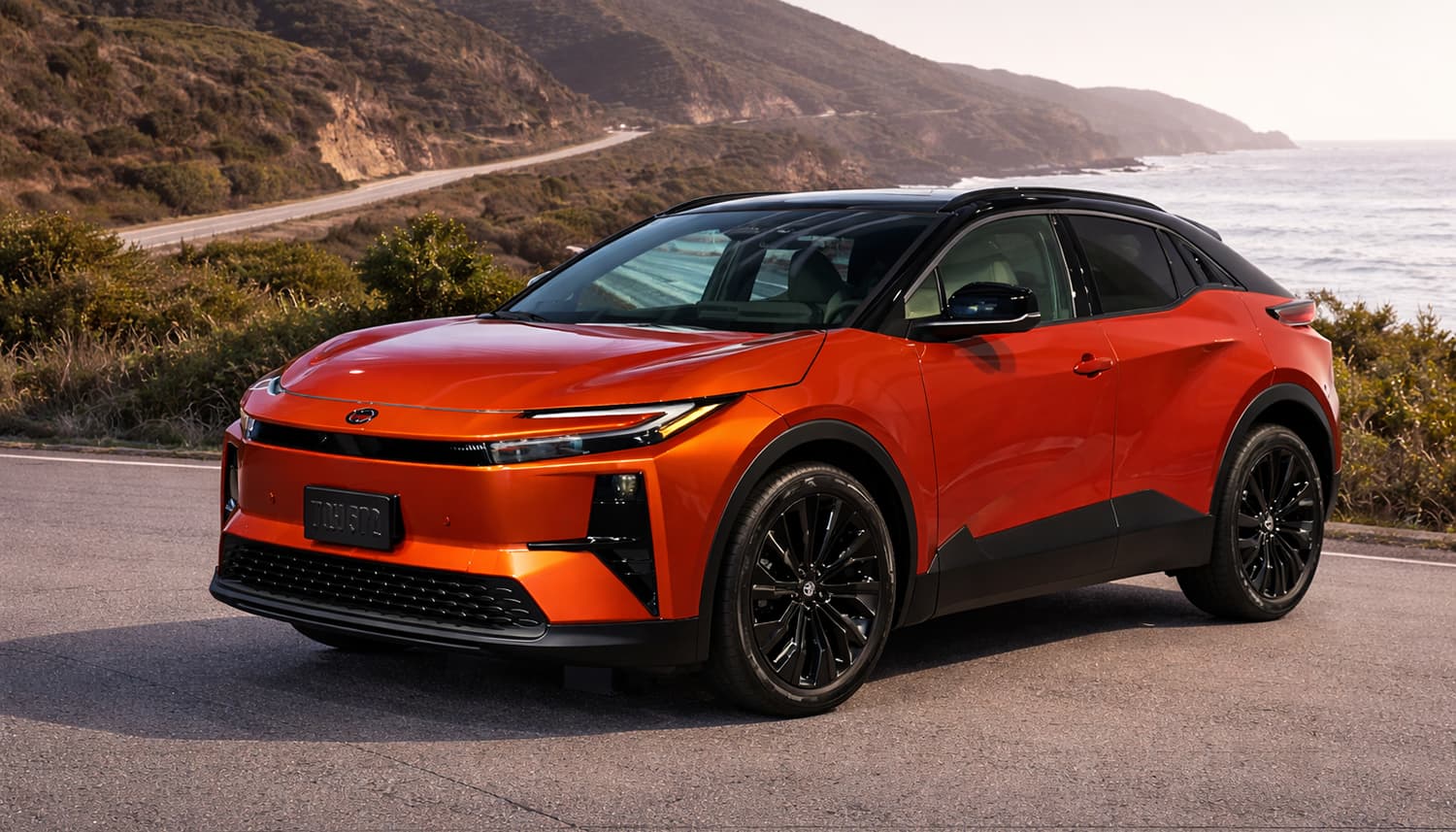

Eight years after its bold debut, the Toyota C-HR returns in 2026 with a completely new identity. Once an entry-level SUV under Toyota’s youthful Scion brand, the C-HR has now been reborn as a fully electric coupe-inspired SUV. With striking design, powerful dual-motor performance, and modern technology, the 2026 Toyota C-HR XSE represents a dramatic leap forward for the nameplate. Power and Performance The new C-HR XSE is built on Toyota’s e-TNGA electric platform and comes standard with dual motors for electronic all-wheel drive. Its 74.7 kWh lithium-ion battery pack delivers up to 290 miles of range, while producing 338 horsepower—more than double the output of the previous generation. This translates to a thrilling 0–60 mph time of around five seconds, making the C-HR XSE one of Toyota’s most performance-oriented electric crossovers. Charging is equally modernized. The C-HR features a Tesla-compatible NACS plug, granting access to Superchargers, and an 11 kW onboard charger for faster Level 2 home charging. DC fast charging from 10 to 80 percent takes about 30 minutes under ideal conditions, ensuring convenience on longer trips. Bold Exterior Design True to its “Coupe High Rider” roots, the 2026 C-HR XSE embraces a sportback silhouette with coupe-like lines. The exterior showcases Toyota’s latest hammerhead LED headlights, a closed-off grille, and aggressive rear styling with a full-width LED light bar. Key highlights include: At the rear, bold badging and diffuser elements emphasize its electric identity, while a power liftgate adds everyday practicality. Cargo space measures 25.6 cubic feet with seats up, expandable to an estimated 45–50 cubic feet with seats folded. Premium Interior and Technology Inside, the C-HR XSE blends sporty flair with advanced technology. The cabin features upgraded synthetic leather and suede seating with contrast stitching, offering 10-way driver and 8-way passenger adjustability plus memory settings. Heated seats and a heated steering wheel come standard, though cooled seats are not available. Technology highlights include: While the cabin feels premium, Toyota has omitted a glove box, opting instead for radiant knee heaters. Rear passengers benefit from improved legroom compared to the previous generation, rear air vents, and a fold-down armrest with cup holders. Pricing and Availability The previous C-HR was one of Toyota’s most affordable models, priced under $25,000. The 2026 C-HR XSE, however, is a radically different vehicle. With its advanced electric platform, premium features, and performance capabilities, pricing is expected to start around $40,000 for the SE trim, with the fully loaded XSE likely closer to $50,000. Toyota plans to release the new C-HR in early 2026, marking its official return to dealerships after a four-year absence from the North American lineup. Conclusion The 2026 Toyota C-HR XSE is a bold reinvention of a once entry-level SUV. Now fully electric, it delivers thrilling performance, coupe-inspired design, and modern technology that elevate it far beyond its predecessor. With up to 290 miles of range, 338 horsepower, and a striking new look, the C-HR XSE proves that Toyota is serious about electrification—and about making the C-HR a standout in its segment once again. This isn’t just a comeback—it’s a reinvention. The 2026 C-HR XSE electrifies the coupe SUV formula for a new era.
2026 Toyota bZ4X Review
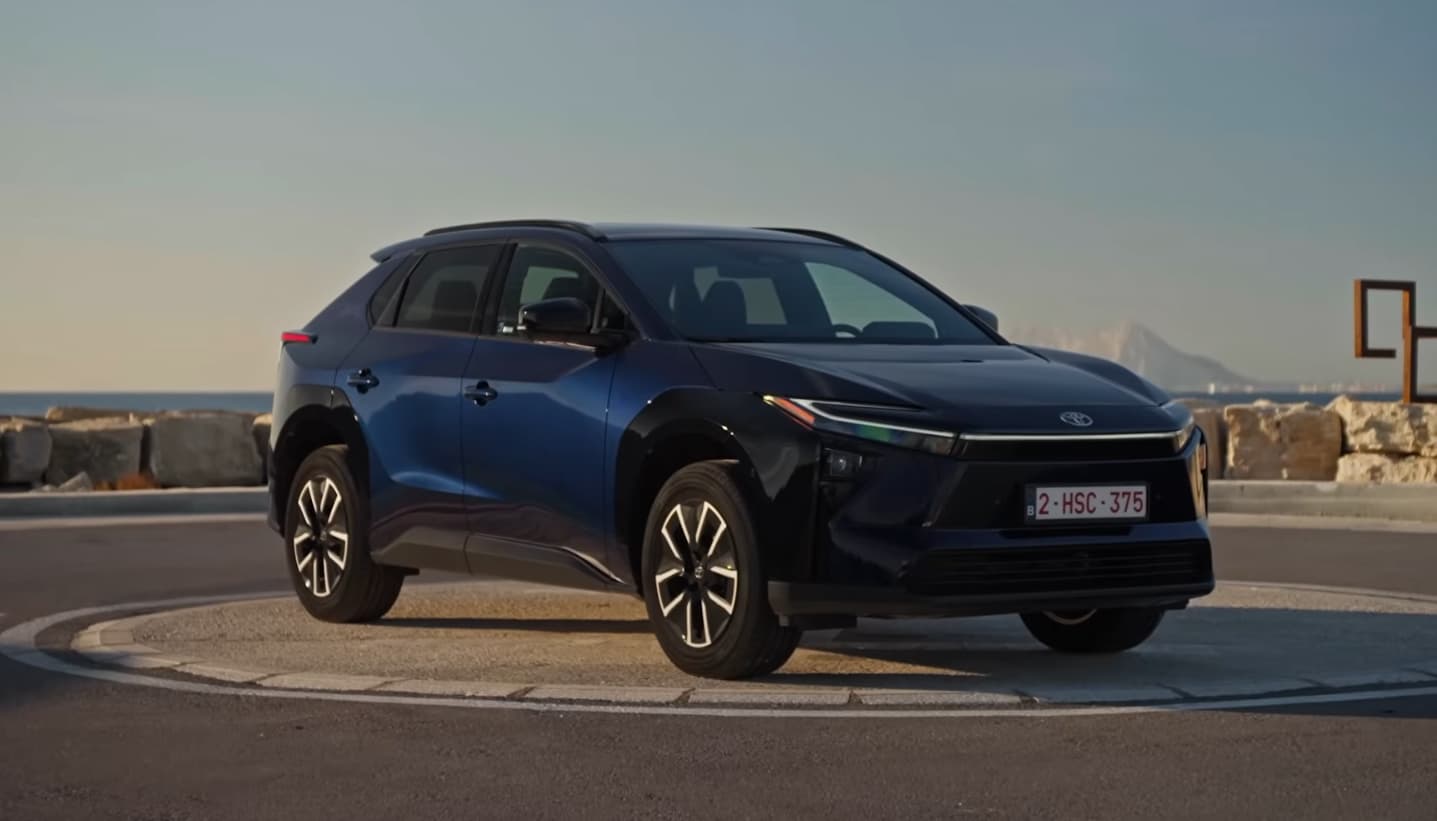
The Toyota bZ4X has been a familiar name in the electric SUV market, but its early versions left drivers wanting more. Limited winter range, inefficient air conditioning, and a somewhat unfinished driving experience made it hard to recommend. Now, Toyota claims the 2026 bZ4X has been thoroughly improved. So, has Toyota finally fixed it? Improved Range and Efficiency One of the biggest criticisms of the original bZ4X was its poor winter performance, with real-world range dropping to around 160 miles. The 2026 model addresses this with a new battery design, packing more cells into the same space. The front-wheel drive version now offers 354 miles of WLTP range, while the all-wheel drive variant delivers 316 miles and around 340 horsepower. Efficiency has also improved significantly. Real-world testing shows the car achieving 3.9 miles per kilowatt hour, translating to late-200s range figures—far more competitive than before. Toyota’s new Exaxles, silicon carbide semiconductors, and improved battery cooling and heating systems all contribute to this leap forward. Exterior and Interior Updates Visually, the bZ4X has received subtle but effective updates. The front end now features Toyota’s hammerhead design with slimmer headlights, while aerodynamic tweaks reduce drag from 0.29 to 0.27 Cd. Gloss-finished wheel arches and redesigned spoilers add a touch of sophistication. Inside, the changes are more noticeable. A 14-inch touchscreen, physical air conditioning controls, dual wireless charging, and a redesigned center console make the cabin more user-friendly. Fit and finish feel more premium, with improved materials and a panoramic roof available on higher trims. Rear passenger space is generous, though the boot remains slightly smaller than average at 452 liters. Driving Experience The 2026 bZ4X feels more mature and refined on the road. Steering is sharper and more tactile, while revised damping delivers a smoother, more composed ride. Acoustic glass reduces cabin noise, giving the SUV a more upscale feel. Performance is adequate rather than thrilling. The front-wheel drive model produces 221 horsepower, achieving 0–62 mph in 7.4 seconds. The all-wheel drive version is quicker at 5.4 seconds and adds off-road capability, towing capacity of 1,500 kg, and specialized driving modes. One drawback is the overly cautious traction control system, which flashes warnings even under moderate acceleration. Still, the overall driving dynamics are a clear improvement over the previous generation. Charging and Practicality Charging has been enhanced with up to 150 kW DC fast charging, allowing 10–80% in under 30 minutes on larger battery models. AC charging is standard at 11 kW, with 22 kW available on higher trims. Preconditioning ensures faster charging by preparing the battery before reaching a rapid charger. Toyota has also introduced a bZ4X Touring model, offering more space, a larger 74.7 kWh battery, and increased boot capacity. This variant caters to families needing extra practicality without sacrificing range. Value and Competition Pricing starts at just under £40,000 for the smaller battery Icon model, with the long-range front-wheel drive version at £45,795. The top-spec all-wheel drive XL trim exceeds £51,000. While these prices are competitive, rivals such as the Skoda Enyaq, Kia EV6, Ford Explorer, and Tesla Model Y offer strong alternatives with faster charging, more range, or better efficiency. Conclusion The 2026 Toyota bZ4X is a major step forward. Toyota has listened to feedback and delivered meaningful improvements in range, efficiency, comfort, and driving refinement. It feels 50–60% better than the car it replaces, transforming from a flawed first attempt into a genuinely solid electric SUV. While it may not have the sparkle or excitement of some competitors, the bZ4X now stands as a credible, well-rounded option in the EV market. Toyota has finally fixed it—though the competition means it still has to fight hard to win buyers’ hearts.
2026 Toyota Urban Cruiser EV Review: Small, Expensive, and Hard to Love
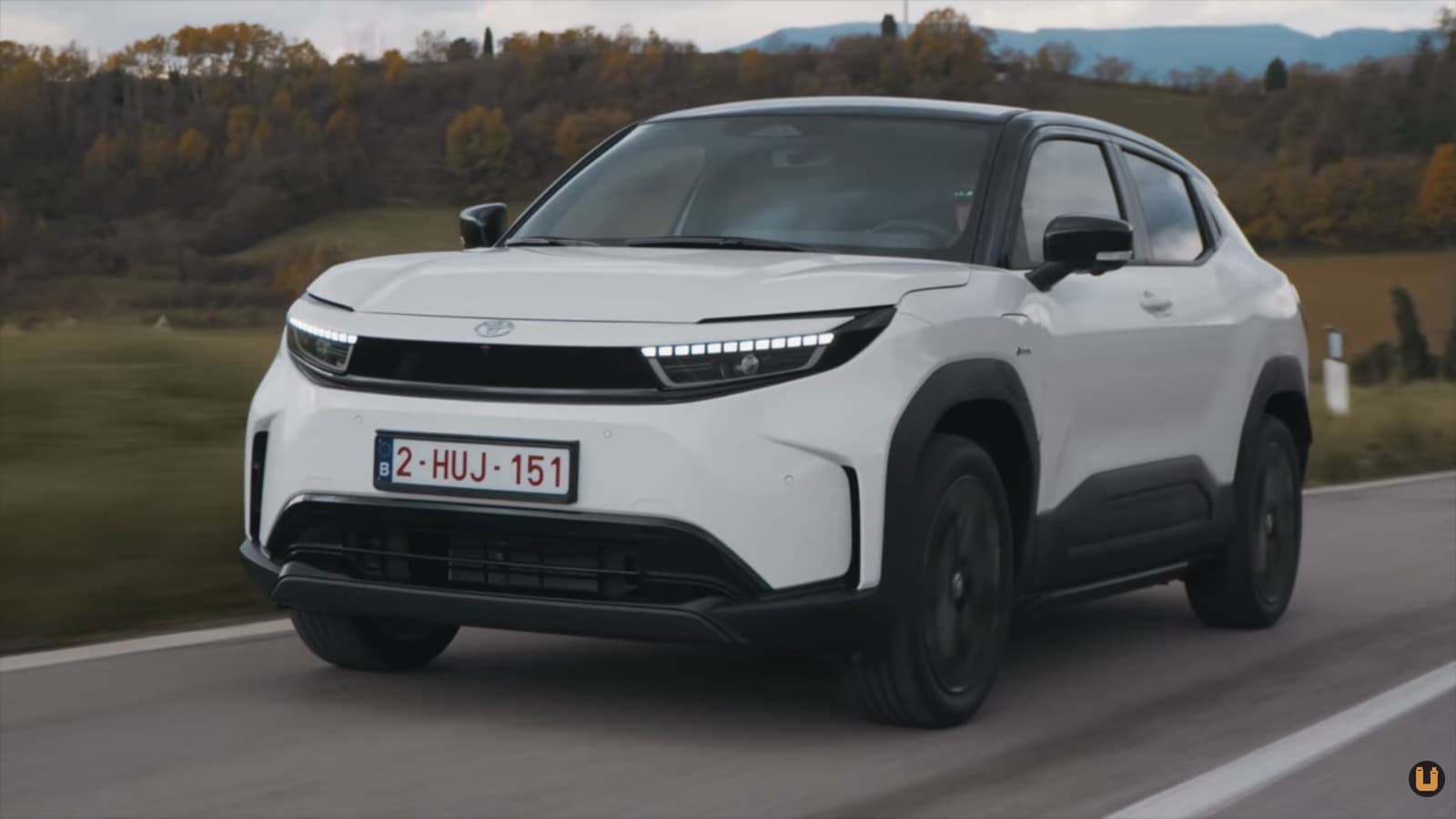
Exterior Design and Practicality The Urban Cruiser carries Toyota’s familiar hammerhead eye design at the front, paired with arrow-like details and chunky plastic cladding along the sides. The XL model features 19-inch wheels, while entry-level trims get 18-inch wheels. A black roof, sunroof, and black mirror caps add contrast, while the charging port sits on the front wing. At the rear, a partial-width light bar and modest boot space highlight the car’s limitations. The boot offers just 244 liters of storage, expandable to 310 liters with sliding rear seats or 566 liters with seats folded. Even then, it remains smaller than many hatchbacks, making practicality a weak point. Interior Space and Comfort Rear passenger space is tight, especially for taller adults. While knee room is acceptable, headroom is limited, and sliding the seats forward for extra boot space eliminates legroom entirely. The middle seat is narrow and raised, making it unsuitable for three adults. On the plus side, ISOFIX mounts, USB-C chargers, and split sliding seats add some versatility for families with children. Up front, the cabin features a two-spoke steering wheel, a 10.25-inch driver display, and a 10.1-inch infotainment screen. Unfortunately, the infotainment system is slow to operate, and accessing climate controls requires navigating menus, which becomes frustrating when using Apple CarPlay or Android Auto. Practical touches include a wireless charger, cup holders, decent-sized door pockets, and a full-width glove box. However, headroom in the passenger seat is compromised by the sunroof design. Charging and Battery Options UK buyers can choose between two battery sizes: 49 kWh or 61 kWh. Charging speeds are underwhelming, with DC fast charging from 10 to 80 percent taking around 45 minutes. Home charging on a 7 kW wall box takes about nine and a half hours, making a home charger essential for convenience. Performance varies slightly between the two battery options. The smaller battery delivers 142 PS, while the larger offers 172 PS. Both reach 93 mph, with 0–60 mph times of 9.6 seconds and 8.7 seconds respectively. Range is rated at 213 miles for the smaller battery and 264 miles for the larger one, though real-world efficiency falls short of official figures. Driving Experience On the road, the Urban Cruiser EV struggles to impress. Ride quality feels unsettled—too bouncy over rough surfaces yet lacking composure in corners. Steering is numb and inconsistent, with odd weighting during sharper turns. Driving modes are limited to Eco and Sport, neither delivering standout efficiency or excitement. The car offers three levels of regenerative braking, which can help efficiency in city driving. However, overall dynamics feel uninspired, and the Urban Cruiser lacks the refinement expected from Toyota’s established hybrid models. Suzuki Connection Much of the Urban Cruiser’s design and feel stems from its Suzuki Vitara roots. From the exterior styling to the interior layout and driving dynamics, the car feels more Suzuki than Toyota. This shared platform explains why the Urban Cruiser doesn’t fully embody Toyota’s usual polish and innovation. Conclusion The 2026 Toyota Urban Cruiser EV is a welcome addition to Toyota’s electric lineup, but it comes with compromises. Charging speeds are slow, boot space is limited, and ride quality feels unfinished. While it may suit city drivers who want a compact electric crossover with Toyota branding, it struggles to stand out in a competitive market. Small, expensive, and hard to love—the Urban Cruiser EV shows Toyota is entering the segment, but it may leave buyers wanting more.
2026 Toyota bZ Reveal: Redefining Electric Driving
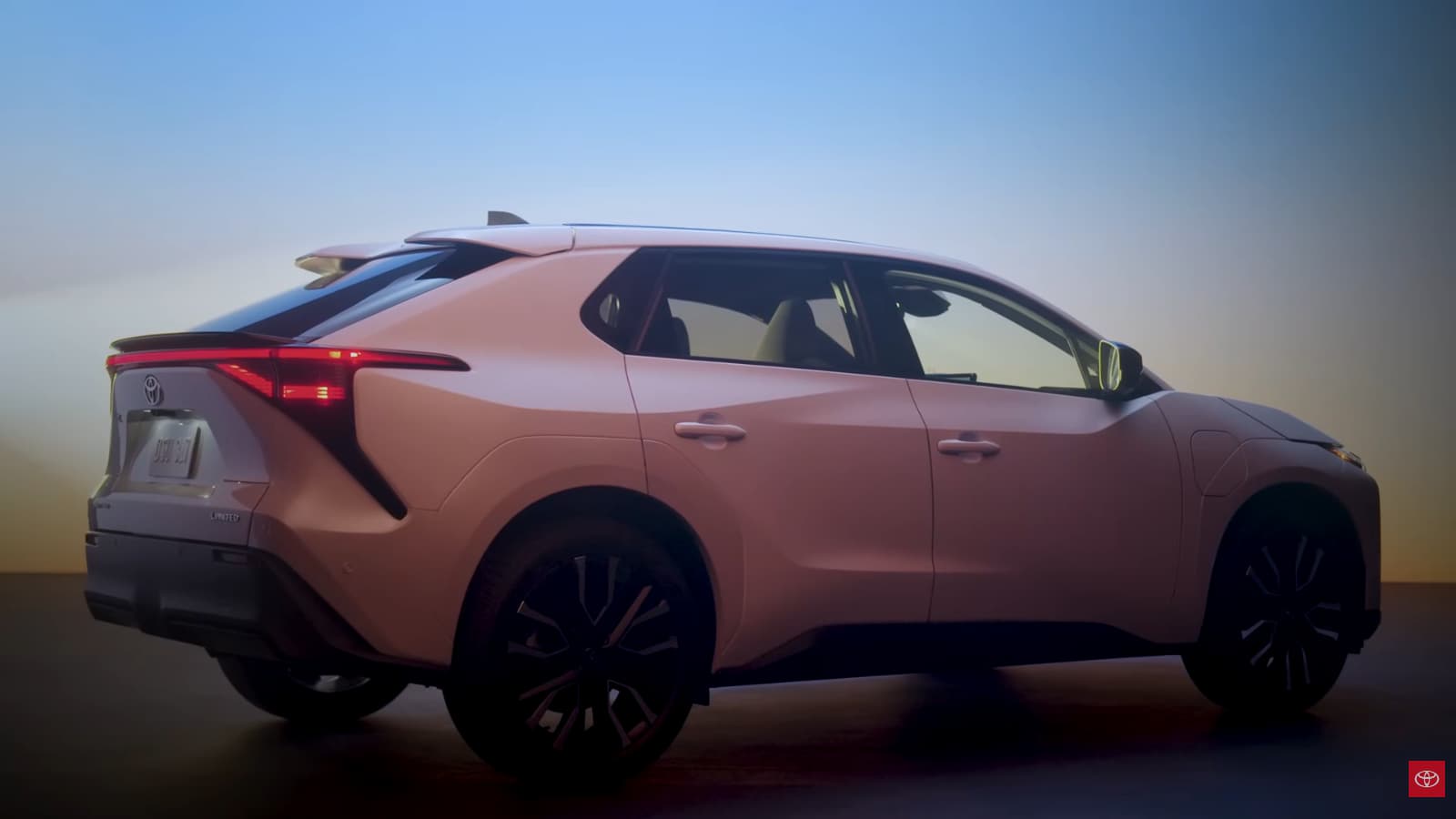
The future of driving is here, and it’s electrified. Toyota has unveiled the 2026 Toyota bZ, the next evolution in its all-electric lineup. More than just another SUV, the bZ is a bold statement—combining cutting-edge technology, refined design, and powerful performance to redefine what it means to drive electric. Performance That Inspires Confidence At the heart of the 2026 Toyota bZ is next-generation battery technology, delivering efficiency without compromise. Drivers can expect up to 314 miles of range on front-wheel drive models and up to 288 miles of range on all-wheel drive models. With 338 total system horsepower on AWD models, the bZ delivers exhilarating acceleration and inspires confidence in every drive. Smarter, Faster Charging Toyota has equipped the bZ with versatile charging solutions designed for convenience and confidence. A standard NACS charging port provides access to thousands of DC Fast Charging stations across North America. DC Fast Charging from low battery to 80 percent can take about 30 minutes under ideal conditions. Battery preconditioning optimizes charging in colder climates, while Plug & Charge technology ensures seamless authentication and payment at public stations. An upgraded 11-kilowatt onboard charger maximizes Level 2 charging capability, making every charge more efficient. Bold Design Meets Everyday Comfort The 2026 Toyota bZ exudes modern sophistication with a refreshed exterior and premium interior features. The updated front bumper, lower grille, and ducktail rear spoiler enhance style and aerodynamics. Available 20-inch alloy wheels and a split-roof rear spoiler add sporty flair. Everyday convenience is elevated with a hands-free power liftgate, while the pillarless panoramic moonroof creates an open, spacious cabin feel. Inside, comfort takes center stage with a heated steering wheel, available ventilated front seats, radiant heater, and heated rear seats. A 1,500-watt AC outlet adds versatility, powering devices for any adventure. Intuitive Technology and Connectivity The bZ is designed to keep drivers connected and in control. Digital Key capability allows smartphone-based access, while an expansive 14-inch touchscreen with Toyota Audio Multimedia platform ensures ease of use. Four USB-C ports and two wireless chargers keep devices powered, and wireless Apple CarPlay and Android Auto provide seamless integration with smartphones. For an immersive listening experience, the available nine-speaker JBL Premium Audio system delivers vivid clarity for music, podcasts, and more. Safety First: Toyota Safety Sense 3.0 Safety is a cornerstone of the 2026 Toyota bZ. Standard features include Pre-Collision System with Pedestrian Detection, Lane Departure Alert with Steering Assist, Full-Speed Range Dynamic Radar Cruise Control, Lane Tracing Assist, Road Sign Assist, and Proactive Driving Assist. Front and Rear Parking Assist with Automatic Braking comes standard, while available features such as the Panoramic View Monitor, Advanced Park, and digital rearview mirror further enhance confidence behind the wheel. Peace of Mind with ToyotaCare Toyota backs the bZ with comprehensive coverage. Drivers benefit from two years or 25,000 miles of scheduled maintenance, three years of 24-hour roadside assistance, and an eight-year or 100,000-mile warranty on EV drive components. This ensures peace of mind and reliability as drivers embrace the future of electric driving. Conclusion The 2026 Toyota bZ isn’t just an electric SUV—it’s a redefinition of what electric driving can be. With impressive range, advanced charging solutions, bold design, intuitive technology, and Toyota’s trusted safety and care, the bZ sets a new standard for the all-electric experience. The future of driving is here, and it’s all-electric by nature, intuitive by design. The 2026 Toyota bZ is ready today to power tomorrow.
2022 BYD Han Lux EV Review: One of the Fastest and Most Elegant Electric Cars in the Philippines
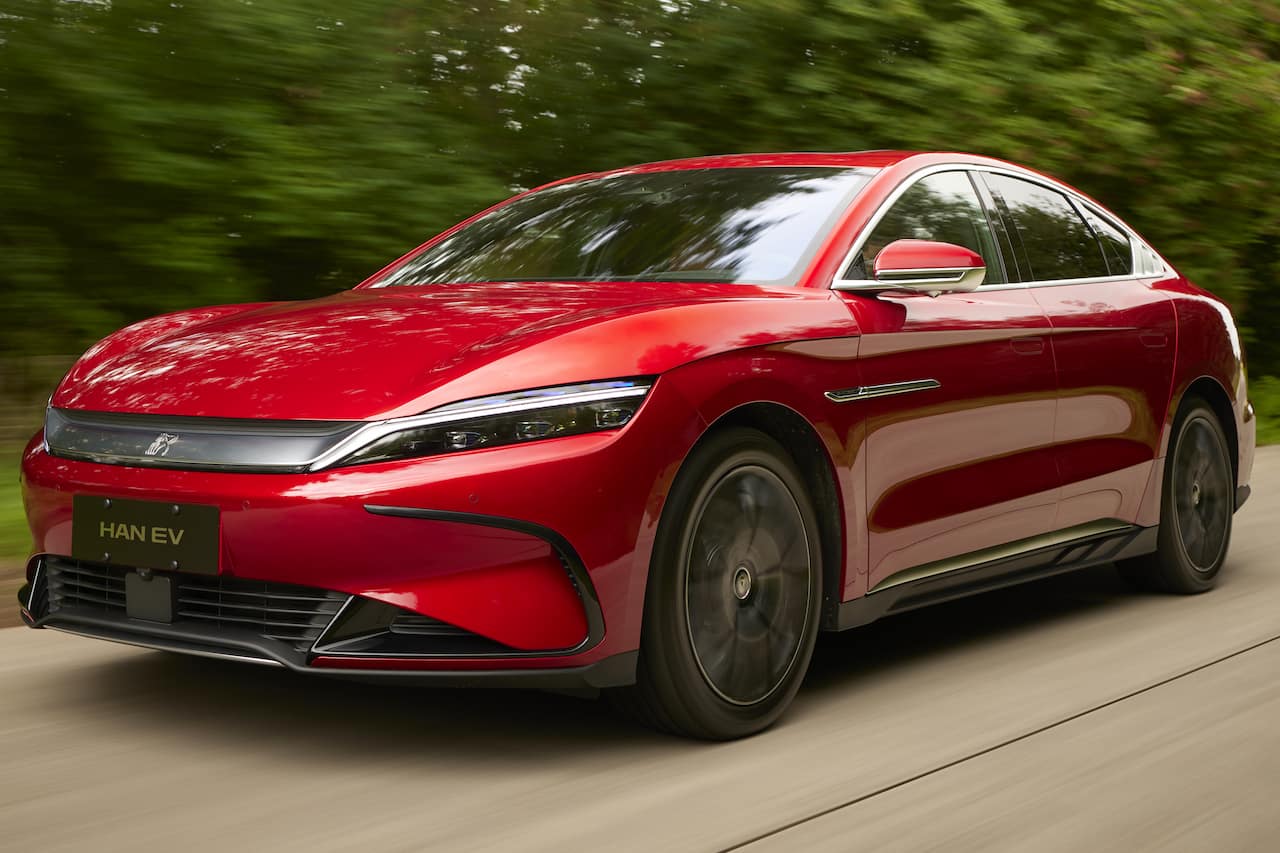
Electric vehicles are steadily gaining traction in the Philippines, and the 2022 BYD Han Lux EV is proving to be a standout option for those looking for luxury, speed, and innovation at a competitive price. This dual-motor, high-performance EV offers an exciting mix of elegance, power, and practicality. BYD Han Lux EV: Key Specifications Trim: Lux (top-tier) Motors: Dual electric motors Power Output: 494 hp combined Torque: 680 Nm 0–100 km/h: 3.9 seconds Battery: Supports overnight charging (~12 hours) and fast DC charging (~0.8 hours) Wheels & Brakes: 19-inch rims with Continental tires, Brembo drilled and slotted brakes With almost 500 horsepower and 680 Nm of torque, the Han Lux EV is not only one of the fastest electric cars available locally but also offers instant torque for a thrilling, seamless acceleration experience. Exterior Design: Sleek and Sophisticated The BYD Han Lux EV sports a design that blends elegance with futuristic appeal: Sleek, aerodynamic silhouette reminiscent of a Tesla Model S Flush door handles that retract when locked Striking LED headlights and ribbed taillights Regal aluminum trim accents and black exterior for a premium look Large windows and panoramic sunroof for a spacious feel Despite its speed, the Han Lux EV carries a refined, executive presence, making it equally suited for city streets and long highway drives. Interior: Luxurious Comfort Meets Advanced Technology Step inside the BYD Han Lux EV, and you’ll find a cabin that rivals traditional luxury sedans: Soft-touch leather and blacked-out wood trims throughout Electrically adjustable, ultra-comfortable front seats Thick, sporty two-tone steering wheel with adaptive cruise control Massive rotating center touchscreen for both landscape and portrait viewing Ambient lighting that can be customized and controlled via the rear center armrest High-quality Dragon speakers for immersive audio Rear cabin features a fold-down armrest with its own screen for controlling climate, lighting, and seat adjustments The interior is both executive and tech-forward, offering an elegant yet modern experience for driver and passengers alike. Driving Performance: Instant Torque and Smooth Handling The BYD Han Lux EV excels in both performance and comfort: Sport Mode: Instantaneous acceleration and thrill Relaxed Driving: Quiet, smooth, and comfortable ride Steering: Light and responsive, ideal for city driving Handling: Low center of gravity provides excellent stability and control Braking: Powerful Brembo brakes and smooth regenerative braking for a natural feel With its dual-motor setup, the Han Lux EV feels like a supercar in an executive sedan body, capable of high-speed runs while remaining easy to maneuver in urban environments. Practicality & Convenience Ample legroom and comfortable rear seating for three passengers Panoramic sunroof with electronic controls Multiple USB ports and cup holders 360-degree camera system for parking and maneuvering Charging flexibility: overnight home charging or fast DC charging Even with its long, luxurious frame, the BYD Han Lux EV is practical for everyday driving while offering exceptional comfort and tech features for passengers. Pricing and Value The lux trim of the BYD Han Lux EV is priced at approximately ₱4 million, making it significantly more affordable than imported grey-market Teslas or other high-end EVs. At this price point, it offers: One of the fastest EVs in the Philippines Luxury-level interior quality State-of-the-art technology Locally available service and support This combination makes it a compelling choice for luxury EV buyers in the Philippines. Pros & Cons Pros: Exceptional acceleration: 0–100 km/h in 3.9 seconds Elegant, premium interior with advanced tech Smooth, quiet, and comfortable ride Locally available and competitively priced Practical features like 360° cameras and adjustable rear controls Cons: Limited availability may restrict access Turning radius is slightly wide for very tight urban streets A Top-Tier EV Choice in the Philippines The 2022 BYD Han Lux EV proves that speed, luxury, and practicality can coexist in an electric vehicle. With impressive performance, premium design, and local availability, it’s one of the best EV deals in the Philippine market, offering supercar-level acceleration in an executive package. For anyone considering a fast, luxurious, and technologically advanced EV, the BYD Han Lux EV is an exceptional option.
Toyota bZ4X Review: A Good EV Held Back by One Big Problem
A solid Toyota crossover… with a deal-breaking flaw. The Toyota bZ4X delivers good space, a comfortable interior, and familiar Toyota reliability—but its limited electric range and slow charging make it hard to recommend over rivals, especially at its price. Toyota is world-famous for its hybrids, so when it finally released a fully electric vehicle—the Toyota bZ4X—expectations were high. After spending about a week living with the bZ4X, the picture becomes clear: this is a well-built, genuinely pleasant electric crossover in many ways, but one major weakness prevents it from standing out in an increasingly competitive EV market. First Impressions and Positioning The Toyota bZ4X is a fully electric crossover that sits in the same general size class as vehicles like the Hyundai Ioniq 5 and Kia EV6. It features a hatchback-style body, higher ride height, and practical storage, all wrapped in a design that feels modern and distinctive without being extreme. Despite Toyota’s reputation, the bZ4X is surprisingly rare on the road. After spending time with it, the reason becomes clear—and it has everything to do with range and charging. The Biggest Issue: Range and Charging The bZ4X’s most significant drawback is its electric range. In real-world winter driving, the vehicle shows around 199 miles on a full charge, with an estimated maximum of roughly 220–230 miles under better conditions. That figure alone puts it at a disadvantage in a segment where competitors offer noticeably more range. Charging speed doesn’t help its case either. The bZ4X is not among the fastest-charging EVs, which further limits its appeal as a long-distance or road-trip-friendly crossover. For a vehicle priced between $40,000 and $50,000, this becomes a serious deal breaker. If you can live with the limited range, the bZ4X can work as a commuter vehicle. But compared to other EVs in its class, the range alone makes it difficult to recommend. Exterior Design and Practicality Visually, the bZ4X has a unique and appealing look. Angular headlights reminiscent of the Prius, heavy black contrast cladding, a large charge port door, and a prominent double rear spoiler give it a distinctive presence. The slanted rear glass and hatchback layout add both style and practicality. Around the back, cargo space is generous. The rear seats fold flat, making it easy to carry long items, and there’s also a small sub-trunk for extra storage. Higher trims include features like a power liftgate and a JBL sound system with a large subwoofer. Interior Quality and Rear Seat Comfort Inside, the bZ4X benefits from Toyota’s experience in building comfortable, functional cabins. Material quality is solid, with a mix of cloth, plastic, and piano black trim. While the piano black surfaces can be distracting, the overall layout feels familiar and user-friendly. Rear-seat passengers get good legroom, heated seats, USB-C ports, physical air vents, and a fixed glass sunroof with a sliding cover. While foot room isn’t class-leading, overall comfort is very good for this segment. Driver’s Seat and Technology Up front, the bZ4X feels strongly inspired by the Toyota Prius. The digital display is mounted high in the driver’s line of sight, paired with a Prius-style steering wheel and Toyota’s familiar software interface. The system supports wireless Android Auto and provides clear, useful driving information. Physical buttons are still present for key controls, which is a welcome touch, even if some are capacitive rather than traditional buttons. The center console is wide and offers multiple storage areas, though its width can make the cabin feel slightly more cramped than expected for a vehicle of this size. The bZ4X also includes features like X-Mode for low-traction situations, Eco mode, a high-quality surround-view camera system, adjustable regenerative braking, and brake hold. However, it does not offer true one-pedal driving, which feels like a missed opportunity in an electric vehicle at this price point. Driving Experience On the road, the bZ4X delivers a smooth, comfortable drive. The suspension is softly tuned, visibility is excellent, and the overall driving experience feels calm and predictable—very much in line with Toyota’s brand character. Acceleration is adequate, and while it’s not a performance EV, it feels responsive enough for everyday driving. In many ways, the bZ4X feels like a “Prius XL”: a taller, electric version of Toyota’s efficiency-focused philosophy. Unfortunately, unlike the Prius, it doesn’t offer exceptional range or refueling convenience. The Bigger Picture: Toyota’s EV Strategy The bZ4X highlights Toyota’s broader strategy. While other manufacturers are aggressively pushing EVs as flagship products, Toyota continues to focus heavily on hybrids. The bZ4X feels less like a bold statement and more like a necessary step to meet emissions requirements. Compared to Toyota’s own hybrids—which offer long range, lower cost, and proven efficiency—the bZ4X struggles to justify itself, especially given its limited range and charging performance.
NEW Kia EV5 Revealed: Is This the Best Electric SUV?
Could this be the electric SUV sweet spot buyers have been waiting for? The new Kia EV5 promises Sportage-like practicality, a roomy and clever interior, competitive range, and sharp pricing—all wrapped in Kia’s familiar EV styling. But does it really have what it takes to be the best electric SUV in its class? The Kia Sportage has long been one of the UK’s best-selling SUVs, but rather than launching a fully electric version of it, Kia has gone in a new direction with the Kia EV5. This all-new, five-seat electric SUV aims to deliver familiar practicality while slotting neatly into Kia’s growing EV lineup. Positioned between the compact EV3 and the larger, more expensive EV6, the EV5 could land right in the market’s sweet spot. Where the Kia EV5 Sits in Kia’s Electric Lineup Kia’s naming strategy makes the EV5’s position clear. The EV3 sits at the entry point as the smallest and most affordable electric SUV, followed by the EV4. Above them comes the EV5, with the EV6 offering a sportier, longer, and more expensive alternative. At the top of the range sits the seven-seat EV9. This placement means the EV5 targets buyers who want more space than the EV3 offers but don’t necessarily need the performance, charging speeds, or price tag of the EV6. As a result, it will compete directly with electric SUVs like the Renault Scenic, Tesla Model Y, and Skoda Enyaq. Exterior Design and Styling Visually, the EV5 closely follows Kia’s established electric design language seen on the EV3, EV6, and EV9. It features similar styling cues but introduces a slightly different daytime running light design to help it stand out. Buyers can choose from seven paint colours, with 18-inch alloy wheels on entry-level models and 19-inch alloys on higher trims. Step up to GT Line or GT Line S, and you’ll get sportier exterior touches, including gloss black finishes that give the EV5 a more aggressive look. Practicality and Boot Space Practicality is one of the EV5’s biggest strengths. The boot offers 566 litres of storage, placing it ahead of the Renault Scenic but slightly behind the Skoda Enyaq. The space is wide and usable, with a height-adjustable boot floor that reduces the loading lip and reveals generous underfloor storage. There’s also a clever, dedicated space to store the parcel shelf, adjustable hooks for shopping bags or cargo nets, and trays along the top edge. These hooks are a first for Kia and come as standard on all EV5 versions. The rear seats fold in a 60/40 split and lie completely flat, though they must be folded from the side doors rather than the boot. Up front, the EV5 adds even more practicality with a 44-litre front storage compartment, ideal for charging cables. Rear Seat Comfort and Space Thanks to a longer wheelbase than the Sportage, rear-seat space in the EV5 is particularly generous. Even tall adults will find plenty of legroom and headroom, and the large windows create a bright, airy feel. The flat floor also makes it more comfortable for three passengers to sit across the back. The rear seats offer adjustable recline angles, climate controls, and a clever pull-out drawer with carpeted hidden storage—perfect for stashing valuables. Overall, rear-seat comfort is a clear highlight, even when compared with rivals like the Model Y and Scenic. Interior Layout and Technology Inside, the EV5 closely resembles other Kia electric models. A dual-screen setup combines a fully digital driver display with a central touchscreen infotainment system. Higher-spec versions add a head-up display with integrated Apple CarPlay and Android Auto. The centre console features a wireless phone charger on mid and top trims, retractable cup holders, and a fingerprint sensor alongside parking controls. Beneath the console is a large open storage area. While the car shown was a prototype, Kia’s track record suggests the production interior will be competitive in both quality and design. Battery, Range, and Charging For the UK and Europe, the Kia EV5 will use an NMC battery with a usable capacity of 78 kWh, delivering a claimed range of up to 329 miles from a full charge. While this doesn’t beat the longest-range versions of the Tesla Model Y, it remains competitive within the segment. The EV5 is built on a 400-volt architecture, unlike the 800-volt EV6. As a result, maximum DC charging speed is 130 kW, allowing a 10–80% charge in around 30 minutes. Charging from 10–100% on an 11 kW AC charger takes approximately 7 hours and 15 minutes. Higher trims also offer vehicle-to-load (V2L) functionality, enabling the EV5 to power household devices via a socket in the boot or an adapter connected to the charging port. Performance and Driving Specs At launch, all versions of the EV5 will use a 214 horsepower electric motor driving the front wheels. This setup delivers a 0–62 mph time of 8.4 seconds and a top speed of 102 mph. While this matches rivals like the Renault Scenic, it’s slower than performance-focused alternatives such as the Model Y. For buyers seeking more speed, Kia has confirmed that a higher-performance GT version is expected in the future. Pricing, Trims, and Warranty Exact UK specifications are still being finalized, but the EV5 is expected to launch with familiar Kia trims: Air, GT Line, and GT Line S. Pricing is predicted to start just over £38,000, with the range-topping GT Line S coming in just under £45,000. That entry price undercuts many rivals while also offering a longer range than the cheapest versions of competitors like the Enyaq and Model Y. As with all Kia models, the EV5 will come with Kia’s 7-year, 100,000-mile warranty as standard.
2024 Audi Q4 55 e-tron Review & Road Test: Smarter, Faster, and More Refined
Want a luxury EV that’s quicker, goes farther, and charges faster without breaking the bank? Curious if Audi finally nailed its entry-level electric SUV?The 2024 Audi Q4 55 e-tron delivers meaningful upgrades where they matter most: more power, longer range, faster charging, and refined driving dynamics. With a premium interior, roomy cabin, and improved performance, Audi’s refreshed compact electric SUV is now one of the most well-rounded options in its class. Audi has made significant improvements to its entry-level electric SUV, and the results are easy to feel from behind the wheel. The 2024 Audi Q4 55 e-tron receives a mid-cycle refresh that focuses less on visual changes and more on the things EV buyers actually care about—performance, range, charging speed, and driving refinement. Built on the Volkswagen MEB platform, the Q4 e-tron shares its foundations with the VW ID.4, but Audi adds its own premium design touches, sharper dynamics, and a more upscale interior experience. Exterior Design: Familiar Shape, Subtle Enhancements From the outside, the Q4 e-tron looks mostly unchanged—and that’s not a bad thing. Large Audi-style grille Matrix-design LED headlights “e-tron” badging on the front and rear bumpers One of the standout updates is the availability of new 21-inch wheels, which noticeably elevate the vehicle’s stance and overall presence. Audi also continues to offer a Sportback variant, featuring a sloping roofline and rear spoiler for a sportier profile. Powertrain & Charging: A Big Leap Forward The biggest upgrades happen under the skin. The Q4 55 e-tron now comes exclusively with a dual-motor all-wheel-drive setup, powered by an 82 kWh battery pack. Audi has dropped the previous single-motor rear-wheel-drive 40 e-tron variant entirely. Key Improvements: Updated permanently excited synchronous motor (PSM) on the rear axle Increased DC fast-charging speed from 150 kW to 175 kW 10%–80% fast charge in approximately 28 minutes These changes significantly improve both efficiency and everyday usability, especially on longer trips. Performance & Range: More Muscle, More Miles Audi has given the Q4 a noticeable performance boost. 335 horsepower, up 40 hp from the previous model 0–60 mph in about 5 seconds, nearly one second quicker than before EPA-estimated range: 258 miles, an increase of 22 miles Towing capacity: up to 2,650 pounds The added power makes the Q4 feel punchier and more responsive, while the range increase places it firmly among the top competitors in the luxury compact EV segment. Interior Space & Comfort: Roomy and Premium Inside, the Q4 e-tron strikes a balance between futuristic design and everyday comfort. Cabin Highlights: Comfortable seating for tall drivers and passengers Flat rear floor improves middle-seat usability Rear seats offer good legroom and headroom, though they don’t recline Premium materials with a clean, angular design Cargo space is also practical: 24.8 cubic feet behind the rear seats 53 cubic feet with the 40/20/40 split seats folded down Technology & Infotainment: Modern and Functional The cabin tech remains largely unchanged, but it still holds up well. 10.25-inch digital instrument cluster with Audi Virtual Cockpit 10-inch infotainment touchscreen, angled toward the driver Wireless Apple CarPlay and Android Auto standard While the infotainment screen design isn’t the most futuristic, it’s intuitive and responsive. Audi retains a traditional round steering wheel, which many drivers will prefer over the flattened alternatives offered elsewhere. Driving Experience: Refined and Confident Audi retuned the suspension for 2024, aiming for a better balance between comfort and sportiness. On the road, the Q4 55 e-tron feels: Planted in corners with minimal body roll Comfortable over everyday road imperfections Quiet, even with large wheels Steering responsiveness has been improved, and while brake feel is better than before, it can still feel slightly soft. There’s no true one-pedal driving mode, but regenerative braking can be adjusted using steering-wheel paddles. Safety & Driver Assistance Standard safety features include: Parking sensors Blind-spot monitoring with rear cross-traffic alert Forward collision mitigation Lane departure warning Adaptive cruise control with lane guidance These features work seamlessly and contribute to a relaxed driving experience. Pricing & Competition Starting price: $56,395 (including destination) Sportback model starts at $59,995 Standard equipment includes 19-inch wheels, leather seating, and dual 10-inch digital displays. Key competitors: Mercedes-Benz EQB Genesis GV60 Volvo XC40 Recharge Tesla Model Y (cheaper, more range, less luxury feel)
2025 Audi Q6 & SQ6 e-tron Review: Audi’s Most Compelling Electric SUV Yet
Audi’s most compelling EV yet? Looking for a midsize electric SUV that blends performance, tech, and unmistakable Audi design?The 2025 Audi Q6 and SQ6 e-tron introduce Audi’s newest EV platform, striking digital lighting, advanced all-wheel-drive tech, and a futuristic multi-screen interior. With over 300 miles of estimated range, up to 510 horsepower in SQ6 form, and smart efficiency-focused engineering, the Q6 e-tron lineup represents Audi’s most convincing step forward in electric SUVs. The all-new 2025 Audi Q6 e-tron, shown here in the higher-performance SQ6 trim, marks a major milestone for Audi’s electric lineup. Positioned squarely in the midsize SUV segment, it’s the first Audi built on the brand’s newest generation EV platform and showcases the latest evolution of Audi’s digital design, lighting technology, and electric performance. At first glance, the Q6 e-tron looks familiar—but a closer inspection reveals meaningful changes that make it far more than just another Audi SUV. Exterior Design: Familiar, but Sharper and Smarter Audi sticks to its established design language, but the Q6 e-tron adds unique details that set it apart. Strong, muscular proportions with a pronounced shoulder line Inverted Singleframe grille design, now mostly closed for better aerodynamics Simplified 2D Audi badge up front One of the biggest highlights is the lighting system. What appears to be the headlights are actually digital daytime running lights made up of 61 individual LED segments per side. These lights support welcome animations and allow owners to switch between 11 customizable themes via the dashboard. The actual headlights are positioned lower in the front fascia, discreetly hidden in glossy black panels. At the rear, a full-width light bar incorporates Audi’s latest digital OLED technology, offering: 11 static light patterns in the U.S. market Animated safety signals that form hazard-style triangles during emergency braking or driver-assistance events Audi is even exploring how the Q6 e-tron can visually communicate with other road users, adding an extra layer of safety and interaction. Powertrain & Performance: Smart Quattro Electrification At launch, the Q6 e-tron will be offered with dual-motor quattro all-wheel drive as standard. Audi uses an asymmetrical AWD system: An on-demand asynchronous motor at the front, which disengages during cruising to reduce energy consumption A permanent magnet motor at the rear, serving as the primary drive unit Both motors share similar internal components, allowing Audi to streamline production while maintaining performance. Power Outputs Q6 e-tron quattro: 315 kW standard output Boosts to 350 kW (~456 hp) for short bursts SQ6 e-tron: 360 kW nominal Boosts to 380 kW (~510 hp) 0–60 mph in approximately 4.2 seconds The SQ6 also introduces electric launch control and enhanced regenerative braking, including a one-pedal driving mode. Battery, Range & Charging: Built for Efficiency Both the Q6 and SQ6 e-tron use the same 100 kWh battery pack. Estimated range: Over 300 miles for the Q6 e-tron quattro Battery can split into two 400-volt banks, charging in parallel Features dual charging ports, one on each rear fender While Audi plans to transition to Tesla’s NACS standard in the future, the Q6 e-tron will not adopt it at launch. This clever battery architecture supports faster, more flexible charging while improving real-world usability. Interior & Technology: Audi’s Digital Stage Inside, the Q6 e-tron debuts Audi’s latest E3 electronic platform, centered around what Audi calls the Digital Stage. The setup includes: 11.9-inch digital instrument cluster 14.5-inch curved OLED central display 10.9-inch passenger display, with privacy technology to prevent driver distraction There’s also a large augmented reality head-up display, projecting navigation, driver assistance, and infotainment data directly into the driver’s line of sight. While the interior is more screen-heavy than before, it comes at the cost of fewer physical buttons—a move Audi hopes to balance with improved voice and visual controls. Driving Impressions: Promising First Taste A short prototype drive in the SQ6 e-tron revealed: Strong, immediate acceleration Smooth operation of regenerative braking modes Confident and controlled feel under performance-focused conditions A full verdict on efficiency and ride quality will require extended public-road testing, but early impressions suggest a solid balance between performance and comfort.
Audi Q6 e-tron Sportback (326 hp) Review: Audi’s Best Electric SUV So Far?
Is this Audi’s most complete EV yet? Want luxury, long range, and cutting-edge tech in one sleek package?The Audi Q6 e-tron Sportback blends bold design, advanced lighting, fast 800V charging, and a refined driving experience. With a real-world range of around 480 km, a spacious and tech-rich interior, and premium Audi craftsmanship, it positions itself as Audi’s most impressive electric SUV to date—even if it’s not the fastest in the lineup. The Audi Q6 e-tron Sportback is currently the largest electric Audi on sale, combining SUV practicality with coupe-like styling. Built on a modern EV platform and packed with advanced technology, it represents Audi’s latest vision for premium electric mobility. From its striking lighting systems to its smooth air suspension, the Q6 e-tron aims to balance luxury, usability, and efficiency in a single, upscale package. Design & Exterior: Big, Bold, and High-Tech The Q6 e-tron Sportback makes a strong visual statement. Sleek SUV-coupe silhouette Daytona Grey paint with body-colored wheel arches Massive 21-inch wheels with red brake calipers Glass roof, black roof rails, mirrors, and window frames Optional Shadow Look Pro Pack and S-line trim Audi’s reputation for lighting technology is on full display here: Animated Matrix LED headlights Animated pixel lighting Full-width OLED rear lights Gloss black spoiler with integrated brake light Despite having around €20,000 in options, the car shown still isn’t fully loaded, highlighting just how extensive Audi’s customization options are. Practical EV Touches: Charging, Storage, and Convenience Audi adds several thoughtful EV-specific features: Motorized charging flaps on both sides AC charging up to 11 kW DC fast charging supported on one side “Kick to open” trunk projection feature Storage is generous: 64-liter frunk 526 liters of trunk space 1,529 liters with rear seats folded 40/20/40 split rear seats Large underfloor storage area The Q6 e-tron also includes double-glazed side windows, a tow bar system, and active air suspension for improved comfort and versatility. Powertrain & Performance: Smooth Over Speed This version of the Audi Q6 e-tron Sportback is rear-wheel drive, not quattro. Power: 326 hp Torque: 485 Nm 0–100 km/h: 6.7 seconds Top speed: 210 km/h It’s not a performance rocket, but it delivers smooth, confident acceleration. While not designed for hardcore off-roading, it remains enjoyable on gravel thanks to traction control and air suspension. Multiple drive modes are available, including an off-road setting and adjustable ride height. Battery, Charging & Real-World Range The Q6 e-tron features Audi’s new 800-volt architecture. Battery capacity: 94.9 kWh WLTP range: 656 km DC fast charging: up to 260 kW Observed charging speed: ~120 kW at 65% battery Average consumption: 19.1 kWh/100 km Real-world range: ~480 km Charging performance is stable and consistent, making the Q6 e-tron suitable for long-distance travel as well as daily driving. Interior & Cockpit: Premium, Tech-Heavy, and Unique Inside, the cabin emphasizes Audi’s signature blend of technology and design. Curved digital display Separate screen for the passenger (media and navigation control) Dinamica upholstery throughout (Alcantara/suede-like finish) Diamond-stitched leather accents Adaptive cruise control and advanced driver assistance systems Controls are split across intuitive clusters: Right cluster for media, calls, and steering wheel heating Left cluster for dashboard interface Paddle controls for brake regeneration Notable omissions include a head-up display, but standout features include massage seats, wireless charging with a screen clamp, and customizable ambient lighting with eight animation themes. Rear Seats: Comfortable, With Minor Trade-Offs Rear passenger space is solid for the segment. Adequate legroom Headroom is acceptable, though limited in the middle seat Rear climate control and seat heating Two USB-C ports Fold-down center armrest with cupholders ISOFIX anchors throughout The coupe-style roofline slightly affects headroom, but overall comfort remains strong for daily use. Driving Experience: Refined and Relaxing On the road, the Q6 e-tron feels unmistakably Audi. Exceptionally smooth ride thanks to air suspension Very good noise insulation Light but precise steering Stable handling with low center of gravity It’s a calm, confidence-inspiring cruiser rather than a sporty EV, prioritizing comfort and refinement over aggressive dynamics.