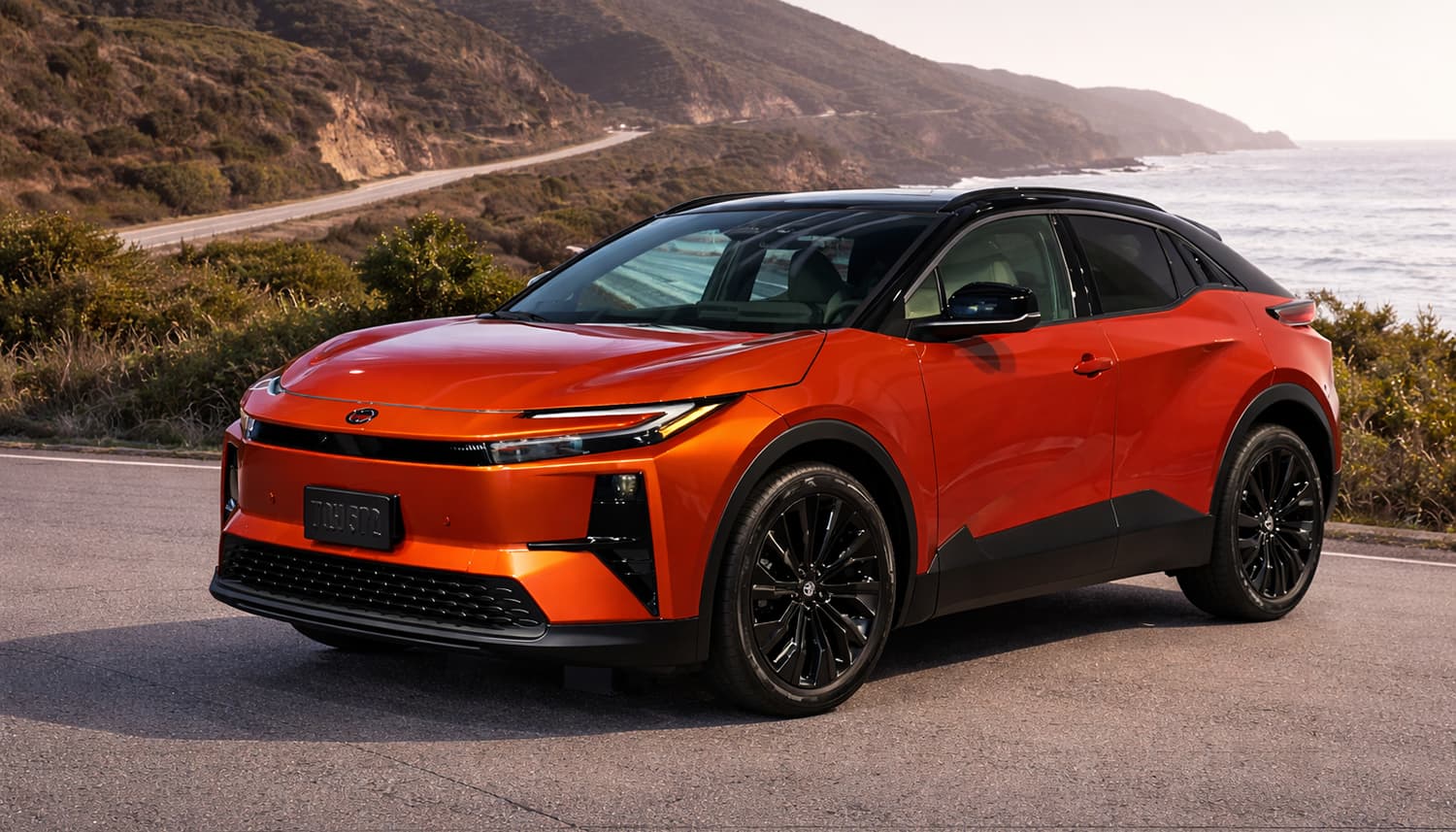
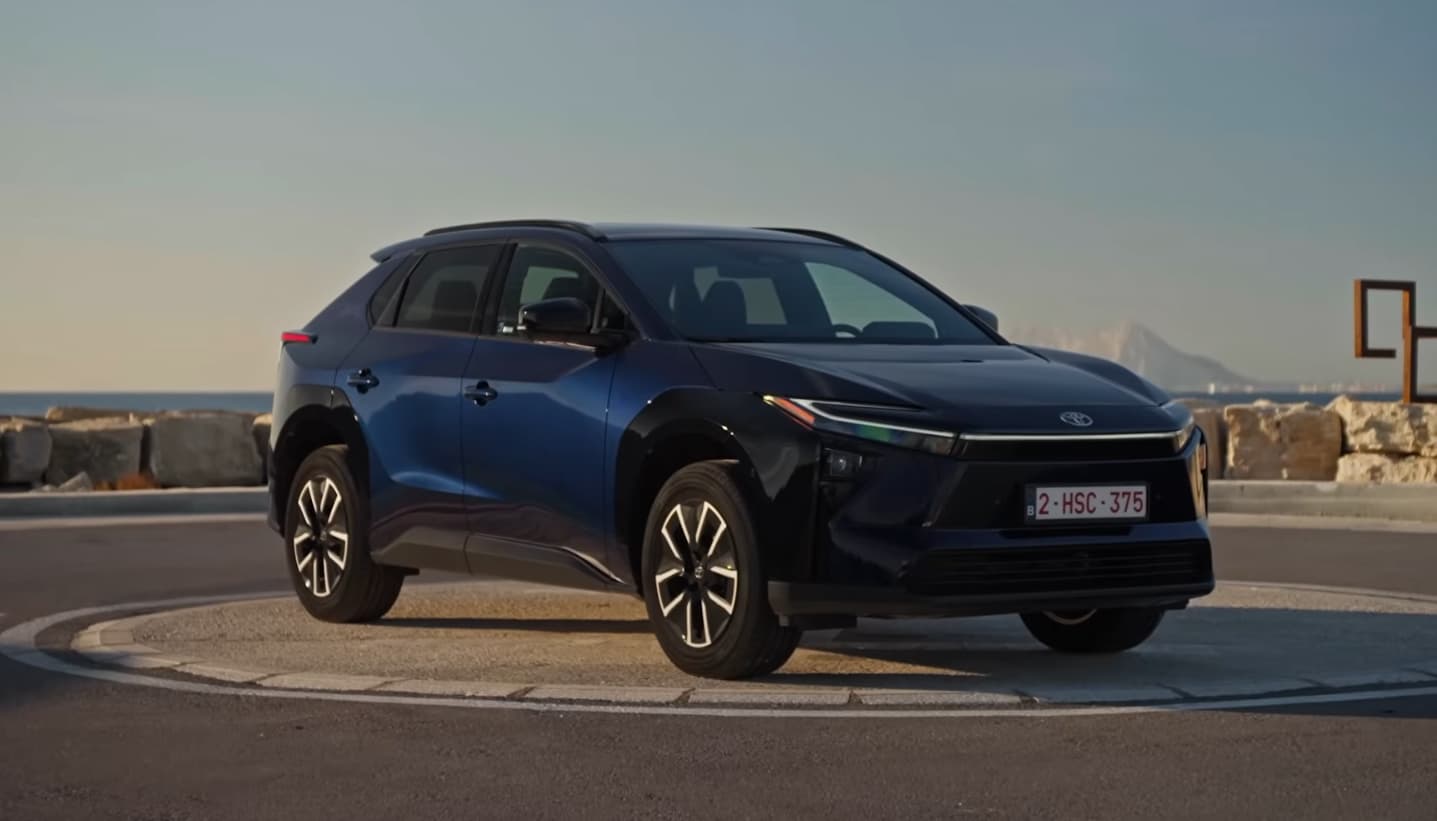

A solid Toyota crossover… with a deal-breaking flaw. The Toyota bZ4X delivers good space, a comfortable interior, and familiar Toyota reliability—but its limited electric range and slow charging make it hard to recommend over rivals, especially at its price.
Toyota is world-famous for its hybrids, so when it finally released a fully electric vehicle—the Toyota bZ4X—expectations were high. After spending about a week living with the bZ4X, the picture becomes clear: this is a well-built, genuinely pleasant electric crossover in many ways, but one major weakness prevents it from standing out in an increasingly competitive EV market.
First Impressions and Positioning
The Toyota bZ4X is a fully electric crossover that sits in the same general size class as vehicles like the Hyundai Ioniq 5 and Kia EV6. It features a hatchback-style body, higher ride height, and practical storage, all wrapped in a design that feels modern and distinctive without being extreme.
Despite Toyota’s reputation, the bZ4X is surprisingly rare on the road. After spending time with it, the reason becomes clear—and it has everything to do with range and charging.
The Biggest Issue: Range and Charging
The bZ4X’s most significant drawback is its electric range. In real-world winter driving, the vehicle shows around 199 miles on a full charge, with an estimated maximum of roughly 220–230 miles under better conditions. That figure alone puts it at a disadvantage in a segment where competitors offer noticeably more range.
Charging speed doesn’t help its case either. The bZ4X is not among the fastest-charging EVs, which further limits its appeal as a long-distance or road-trip-friendly crossover. For a vehicle priced between $40,000 and $50,000, this becomes a serious deal breaker.
If you can live with the limited range, the bZ4X can work as a commuter vehicle. But compared to other EVs in its class, the range alone makes it difficult to recommend.
Exterior Design and Practicality
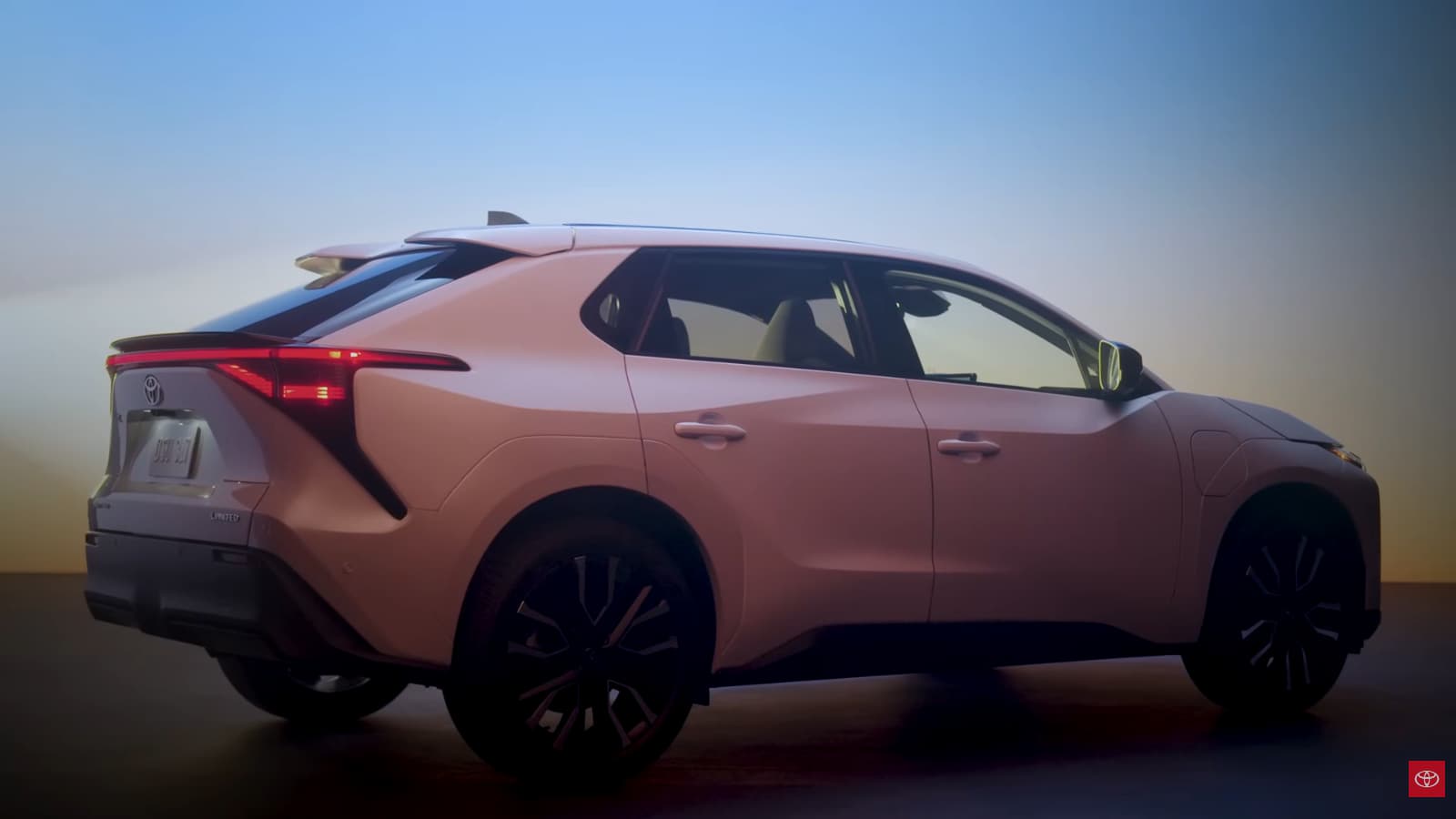
Visually, the bZ4X has a unique and appealing look. Angular headlights reminiscent of the Prius, heavy black contrast cladding, a large charge port door, and a prominent double rear spoiler give it a distinctive presence. The slanted rear glass and hatchback layout add both style and practicality.
Around the back, cargo space is generous. The rear seats fold flat, making it easy to carry long items, and there’s also a small sub-trunk for extra storage. Higher trims include features like a power liftgate and a JBL sound system with a large subwoofer.
Interior Quality and Rear Seat Comfort
Inside, the bZ4X benefits from Toyota’s experience in building comfortable, functional cabins. Material quality is solid, with a mix of cloth, plastic, and piano black trim. While the piano black surfaces can be distracting, the overall layout feels familiar and user-friendly.
Rear-seat passengers get good legroom, heated seats, USB-C ports, physical air vents, and a fixed glass sunroof with a sliding cover. While foot room isn’t class-leading, overall comfort is very good for this segment.
Driver’s Seat and Technology
Up front, the bZ4X feels strongly inspired by the Toyota Prius. The digital display is mounted high in the driver’s line of sight, paired with a Prius-style steering wheel and Toyota’s familiar software interface. The system supports wireless Android Auto and provides clear, useful driving information.
Physical buttons are still present for key controls, which is a welcome touch, even if some are capacitive rather than traditional buttons. The center console is wide and offers multiple storage areas, though its width can make the cabin feel slightly more cramped than expected for a vehicle of this size.
The bZ4X also includes features like X-Mode for low-traction situations, Eco mode, a high-quality surround-view camera system, adjustable regenerative braking, and brake hold. However, it does not offer true one-pedal driving, which feels like a missed opportunity in an electric vehicle at this price point.
Driving Experience
On the road, the bZ4X delivers a smooth, comfortable drive. The suspension is softly tuned, visibility is excellent, and the overall driving experience feels calm and predictable—very much in line with Toyota’s brand character. Acceleration is adequate, and while it’s not a performance EV, it feels responsive enough for everyday driving.
In many ways, the bZ4X feels like a “Prius XL”: a taller, electric version of Toyota’s efficiency-focused philosophy. Unfortunately, unlike the Prius, it doesn’t offer exceptional range or refueling convenience.
The Bigger Picture: Toyota’s EV Strategy
The bZ4X highlights Toyota’s broader strategy. While other manufacturers are aggressively pushing EVs as flagship products, Toyota continues to focus heavily on hybrids. The bZ4X feels less like a bold statement and more like a necessary step to meet emissions requirements.
Compared to Toyota’s own hybrids—which offer long range, lower cost, and proven efficiency—the bZ4X struggles to justify itself, especially given its limited range and charging performance.