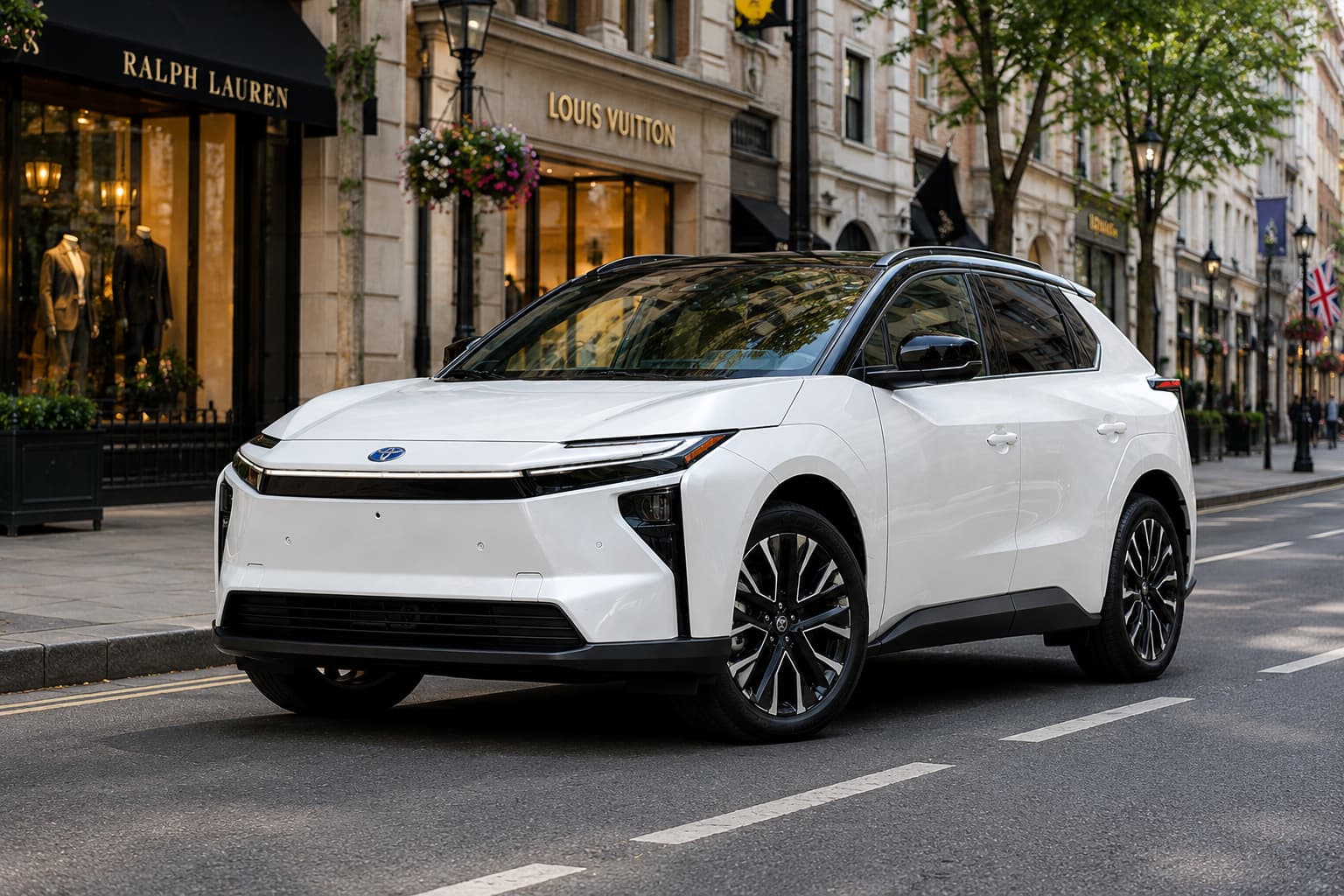
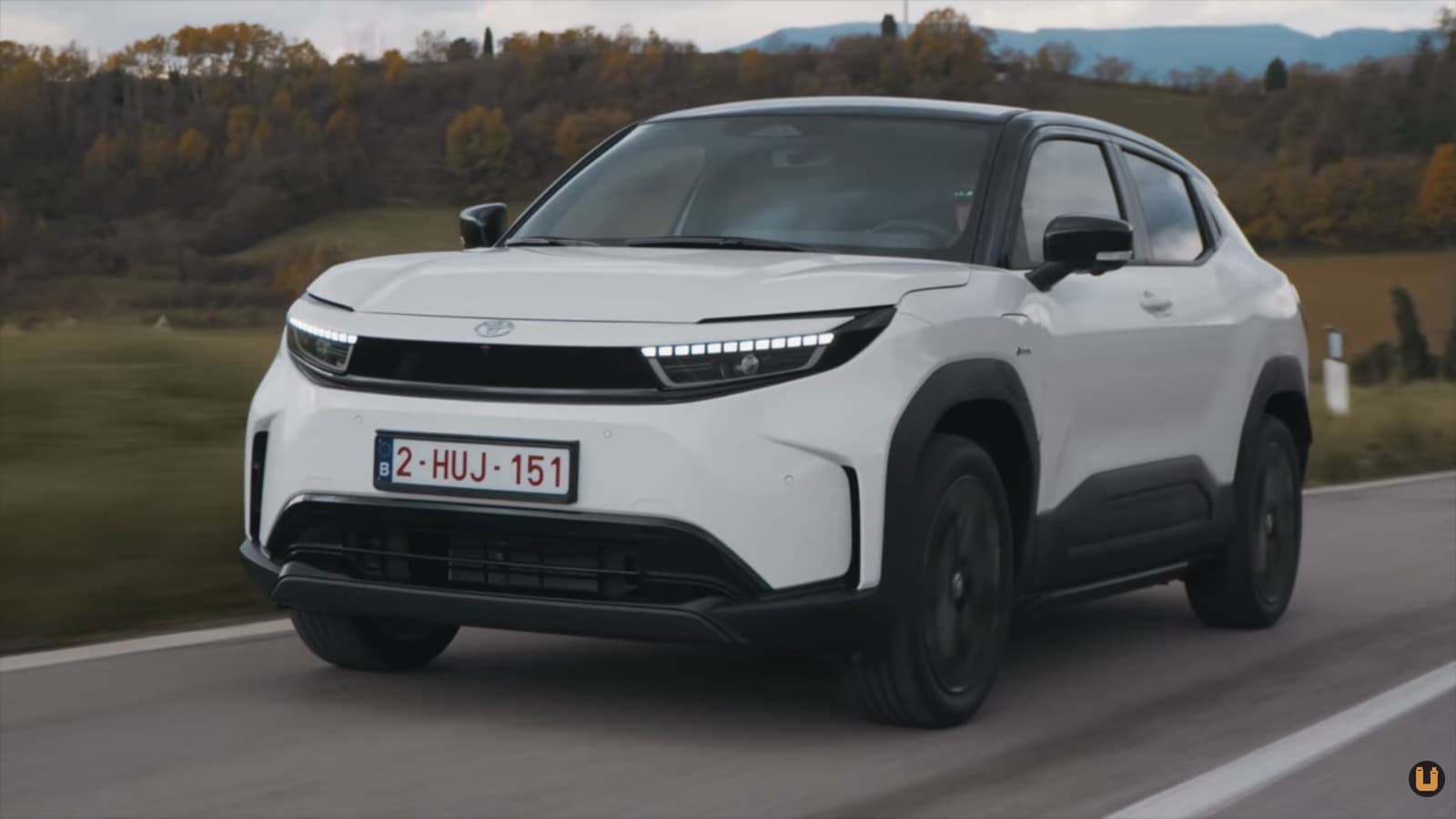
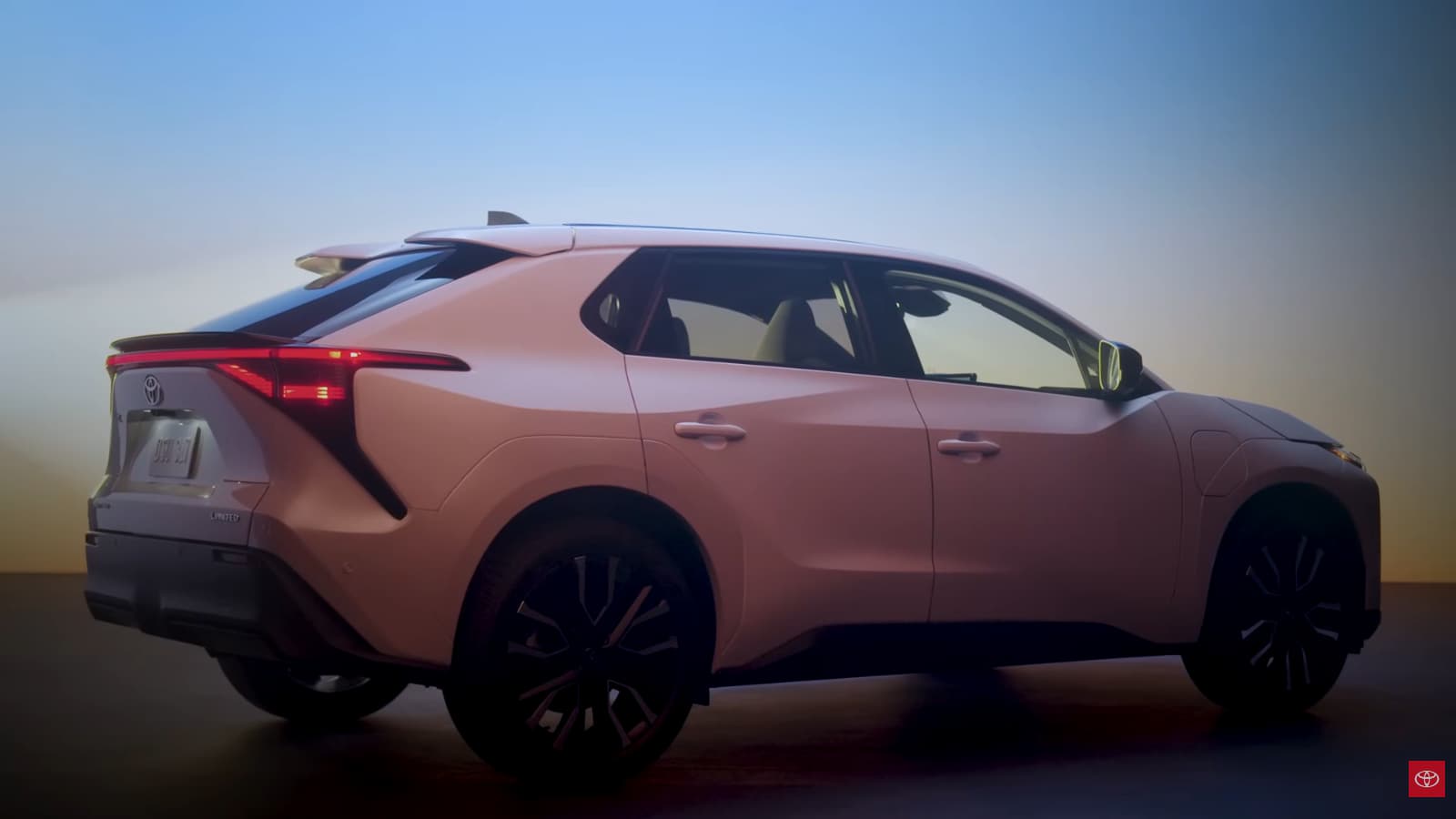


Toyota’s electric SUV has undergone one of the most significant transformations in its recent history. What was once criticized for limited driving range, underwhelming performance, and a confusing identity has returned with a simplified name and a substantially improved package. The 2026 Toyota bZ arrives with more power, better efficiency, upgraded technology, and a stronger overall value proposition.
For buyers considering an electric SUV, the question is no longer whether Toyota can compete in the EV space. The more important question is whether the new bZ has improved enough to challenge segment favorites. After extensive performance testing and real-world range evaluation, the answer appears far more promising than before.
A Major Leap Forward in Performance
One of the biggest shortcomings of Toyota’s previous electric SUV was its lack of performance. While competitors continued pushing higher power outputs and quicker acceleration times, Toyota’s earlier model felt noticeably behind the curve.
The 2026 Toyota bZ addresses that issue directly. The increased horsepower transforms the driving experience, delivering noticeably stronger acceleration and greater confidence during everyday driving situations. Highway merging, overtaking slower traffic, and reaching cruising speeds now happen with far less effort.
The numbers tell the story clearly. The new bZ accelerates from 0 to 60 mph in just 4.6 seconds, making it dramatically quicker than its predecessor. Quarter-mile performance is equally impressive, highlighting how much progress Toyota has made in extracting performance from its electric platform.
More importantly, the SUV no longer feels disadvantaged when compared with key rivals. It now delivers acceleration that places it firmly within the competitive range expected from modern electric crossovers.
Braking and Handling See Moderate Improvements
Performance gains extend beyond straight-line speed. The braking system has also received attention, producing shorter stopping distances than before.
While the improvements are noticeable, the driving experience still reveals a few compromises. Under heavy braking, the vehicle exhibits some front-end dive that can make emergency stops feel less composed than expected. Drivers looking for a particularly sporty or performance-focused EV may find this characteristic slightly reduces confidence during aggressive maneuvers.
Handling Prioritizes Comfort Over Sportiness
The Toyota bZ demonstrates competent grip levels and respectable cornering capability, but it is not designed to be a performance crossover.
Body roll remains noticeable during spirited driving, and the steering lacks the communication and feedback found in some competitors. The result is a vehicle that feels comfortable and stable rather than engaging and athletic.
For most buyers, this will not be a significant drawback. The majority of electric SUV shoppers prioritize comfort, efficiency, and practicality over back-road excitement. In those areas, the bZ performs much better.
Real-World Range Delivers Competitive Results
Range remains one of the most important considerations for EV buyers, and Toyota clearly understood that when redesigning the bZ.
The previous generation struggled to meet growing consumer expectations, particularly as rival manufacturers continued introducing vehicles capable of traveling well beyond 250 miles per charge.
The new bZ arrives with an estimated driving range of 278 miles, representing a substantial improvement over the outgoing model. More importantly, Toyota achieved this gain without dramatically increasing battery size, suggesting meaningful advances in efficiency and energy management.
During extensive mixed-use driving that combined both urban and highway conditions, the vehicle managed 276 miles on a full charge. While slightly below its official estimate, the result remains highly competitive within the segment and demonstrates impressive real-world consistency.
Closing the Gap on Segment Leaders
The improved range allows the Toyota bZ to compete more effectively with established electric SUV rivals. Drivers who previously dismissed Toyota’s EV offerings due to range concerns may find the latest model much more appealing.
Although it still trails some of the category’s strongest performers, particularly those known for class-leading efficiency, the difference is no longer large enough to be considered a major weakness.
Instead of feeling like a compromise, the bZ now feels like a legitimate alternative for shoppers seeking a practical electric crossover.
Interior Upgrades Improve Everyday Usability
Beyond the mechanical improvements, Toyota has also refined the cabin experience.
The redesigned dashboard creates a cleaner and more modern appearance while simultaneously improving functionality. A revised layout opens additional storage space and introduces dual wireless charging pads, a feature that will likely be appreciated by drivers and passengers alike.
The infotainment display has been repositioned to improve visibility, and while several climate functions have migrated into the touchscreen interface, Toyota retains physical controls for temperature adjustments. This balance helps maintain usability while modernizing the cabin design.
Rear Passenger Comfort Is a Standout Feature
Perhaps the most impressive aspect of the interior is the rear seating area.
Passenger space is exceptionally generous, offering ample legroom even for taller adults. Long-distance travel becomes significantly more comfortable thanks to the spacious layout and available heated rear seats.
An especially practical addition comes in the form of high-output USB-C charging ports. Unlike standard charging outlets commonly found in vehicles, these ports provide enough power to charge laptops, tablets, gaming devices, and other demanding electronics. For families and road-trip travelers, this feature adds meaningful everyday convenience.
Improved Driving Experience on the Road
The additional power fundamentally changes how the Toyota bZ feels during daily driving.
Where the previous model often required deliberate throttle inputs to build speed, the new version responds immediately and confidently. The increased responsiveness creates a smoother, more refined driving experience that feels better suited to modern traffic conditions.
Seat comfort also deserves recognition. The supportive front seats remain comfortable over extended periods, making long-distance journeys less fatiguing. Combined with well-calibrated regenerative braking settings, the overall driving experience feels polished and user-friendly.
Even at maximum regenerative braking levels, the system remains smooth and predictable, avoiding the abrupt behavior sometimes associated with aggressive one-pedal driving systems.
Technology Improvements Come with Some Frustrations
While the interior technology receives several welcome updates, not every change represents a clear improvement.
The elevated instrument cluster improves visibility and reduces the need for drivers to look away from the road. However, the display attempts to present too much information simultaneously, resulting in a cluttered appearance that can be difficult to interpret at a glance.
Driver Assistance Systems Need Better Refinement
The most significant criticism involves the vehicle’s driver monitoring and assistance technologies.
The attention-monitoring system can become overly sensitive, particularly for drivers who naturally position their hands near the top of the steering wheel. In certain situations, the system may repeatedly issue warnings despite normal driving behavior.
Equally frustrating is the process required to disable the feature. Adjusting settings often involves navigating multiple menus and, in some cases, bringing the vehicle to a complete stop before changes can be made.
Traffic-assistance features also suffer from excessive notifications. While the systems generally perform their intended functions effectively, frequent alerts and repeated prompts can become distracting during everyday driving.
The technology itself is capable, but the user experience would benefit from a less intrusive approach.
Pricing Reflects the Significant Improvements
At first glance, the Toyota bZ appears more affordable than before thanks to a lower advertised starting price. However, this comparison is influenced by the introduction of a new entry-level variant equipped with a smaller battery pack.
Comparing equivalent trims reveals a modest price increase across the lineup. The tested all-wheel-drive Limited model now approaches the $47,000 mark.
Despite the higher price, the increase feels justified. Buyers receive substantially better performance, significantly improved range, enhanced technology, and a more refined driving experience.
The value equation has shifted dramatically. What once felt difficult to justify now appears far more competitive within the electric SUV segment.
Toyota Finally Delivers a Competitive Electric SUV
The 2026 Toyota bZ may not completely redefine the electric crossover category, but it accomplishes something equally important: it eliminates many of the compromises that previously held it back.
The combination of stronger acceleration, substantially improved range, better interior functionality, and enhanced everyday usability transforms the vehicle into a far more compelling option. While some driver-assistance systems still need refinement and handling remains focused more on comfort than excitement, the overall package is undeniably stronger.
Most importantly, choosing a Toyota EV no longer requires accepting significant shortcomings. The new bZ finally feels like a well-rounded electric SUV capable of standing alongside established competitors rather than chasing them. For buyers seeking a practical, comfortable, and capable electric crossover, Toyota’s latest effort represents a major step in the right direction.